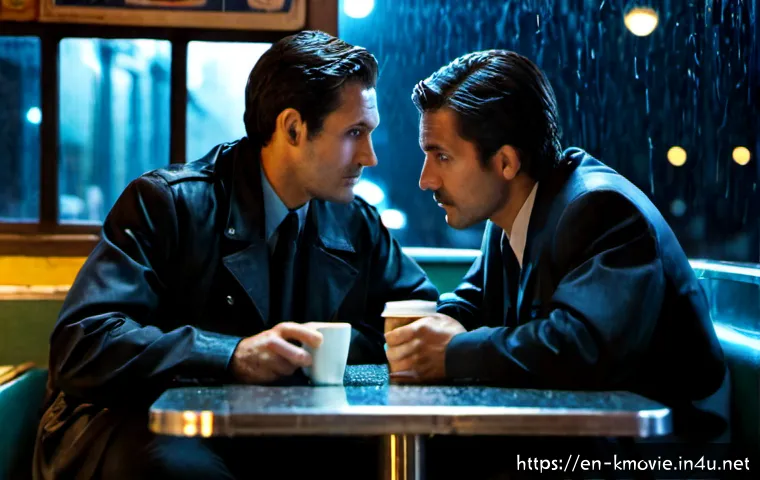
Lee Byung-hun brings volatile transformation to *Inside Men*, while Cho Seung-woo creates pressure through restraint and measured control. Their performances work best as a contrast, not as a contest with one obvious winner.
Lee’s Ahn Sang-goo makes instability feel immediate and personal; Cho’s Woo Jang-hoon makes legal procedure feel like a quiet weapon. First-time viewers should choose based on whether they prefer explosive emotional shifts or strategic, tightly controlled tension.
The standard film is the simplest starting point, while *Inside Men: The Original* may appeal to viewers who want more time with the story and its power dynamics.
Before renting, buying, or choosing a physical edition, compare the available cut, subtitle options, and replay value in your region.
At a Glance
- Lee Byung-hun plays Ahn Sang-goo with volatility, shifting rhythm, and a strong sense of personal instability after betrayal.
- Cho Seung-woo plays prosecutor Woo Jang-hoon through stillness, controlled dialogue, and procedural pressure.
- Their contrast gives Inside Men much of its tension: one character works within illicit networks, while the other pursues corruption through legal investigation.
| Decision Point | Lee Byung-hun as Ahn Sang-goo | Cho Seung-woo as Woo Jang-hoon |
|---|---|---|
| Performance style | Transformative, reactive, and emotionally volatile | Restrained, procedural, and strategically paced |
| Emotional tone | Unpredictable and exposed | Contained and quietly pressurized |
| Best for viewers who prefer | Visible emotional turns and forceful character shifts | Subtle reactions, timing, and controlled tension |
| Viewing format to consider | A purchase or physical edition may suit repeat viewing of performance details | A rental or subscription viewing can work well for a first comparison |
The Short Answer: Two Different Routes to Screen Dominance
Lee Byung-hun and Cho Seung-woo do not approach screen presence in the same way. Lee makes power look unstable, while Cho makes power look controlled. That difference fits a film built around political influence, corporate interests, media power, and corruption.
Lee Byung-hun’s High-Volatility Transformation
As Ahn Sang-goo, Lee works from a position that becomes unstable after betrayal. His performance invites viewers to watch for sudden changes in vocal rhythm, posture, and emotional temperature. The appeal is not simply intensity. It is the feeling that Ahn has to keep recalculating how he will survive inside a network that no longer feels secure.
Cho Seung-woo’s Controlled, Procedural Intensity
Cho’s Woo Jang-hoon operates through legal investigation, so his tension is often more measured. Instead of announcing every feeling, he can make a pause, a direct line of dialogue, or a reaction shot carry the pressure. Viewers who enjoy courtroom, investigation, or corruption dramas may especially respond to this more disciplined approach.
Why the Strongest Scenes Depend on Contrast Rather Than a Single Winner
Calling this an acting “battle” is useful only if it does not flatten the film. Ahn and Woo represent different routes toward power: one is embedded in illicit networks, while the other uses procedure to pursue a corruption case. Their styles complement each other because Lee expands the emotional risk and Cho narrows the strategic focus.
A Performance Comparison: Voice, Body Language, and Emotional Pressure
A practical way to compare the actors is to watch four things: voice, physicality, emotional escalation, and reactions to others. This method is more useful than trying to declare an objective winner after one viewing.
How Lee Uses Physical Bearing, Rhythm, and Sudden Shifts in Tone
Lee’s performance is built for viewers who notice changes in momentum. Watch how Ahn’s energy can feel different depending on who holds leverage in the moment. His voice and body language do not need to stay fixed; that flexibility supports a character living with betrayal, humiliation, survival, and revenge.
How Cho Uses Stillness, Timing, and Measured Dialogue
Cho creates a different kind of force. Woo Jang-hoon’s control can make a brief response feel more important than a dramatic speech. Pay attention to the timing before and after dialogue. Restraint is not the absence of emotion; it can be the method that keeps tension building.
What Each Approach Delivers for the Audience
Lee offers a performance that may feel immediate on a first watch because its emotional turns are easy to register. Cho may reward a second watch, when viewers can focus on how much information his reactions and pauses appear to hold. A premium rental, digital purchase, or collector edition is therefore less about choosing the “better” actor and more about deciding whether you want replay value.
How the Characters Change the Meaning of Their Scenes
The performances gain meaning from where each character stands in the larger conflict. The film is not only about personality; it is about how people move through systems shaped by influence and corruption.
Ahn Sang-goo: Survival, Humiliation, and Revenge
Ahn’s position becomes unstable after betrayal, which gives Lee a character under visible pressure. His approach makes the stakes feel personal. Even when viewers focus on Ahn’s strongest emotional moments, it is worth noticing how the performance also communicates calculation and vulnerability.
Woo Jang-hoon: Ambition, Procedure, and Moral Compromise
Woo pursues a corruption case through legal investigation. Cho’s controlled style suits a character whose power comes from timing, information, and procedure. His performance can be read as ambitious without requiring every intention to be openly explained.
Reading Confrontations Without Reducing Them to “Good Actor vs. Bad Actor”
When the two acting styles meet, the contrast is the point. Lee’s instability makes Cho’s restraint feel sharper; Cho’s composure makes Lee’s shifts feel more dangerous. The best comparison asks, “What does each actor make the other actor’s performance reveal?”
What First-Time Viewers Often Miss
For a first viewing, avoid judging the performances only by their loudest moments. Reaction shots, silence, and changes in status are often the better comparison tools.
Mistaking Restraint for a Lack of Emotion
Cho’s approach may look quieter beside Lee’s more volatile work. That does not make it less demanding. Watch how Woo’s control changes when the investigation meets resistance or when power shifts around him.
Focusing Only on Memorable Outbursts and Overlooking Reaction Shots
Lee’s performance can naturally draw attention during major emotional turns. Still, the smaller reactions matter too. Looking at both actors’ listening, hesitation, and response patterns gives a fuller picture of their craft.
Avoiding Spoiler-Heavy Clips Before Watching the Full Story
Performance clips can remove the context that makes a scene work. If you are deciding whether to rent or buy, use trailer material and edition descriptions carefully, then watch the full story before searching for scene-by-scene analysis.
Which Viewing Option Gives You the Better Comparison?
The best option depends on whether you want a straightforward first watch or enough access to revisit specific performance details. Availability, subtitle tracks, pricing, and editions can vary by region, so check the listing before committing.
Standard Cut Versus Extended Cut: Who May Prefer Each
The standard version is a sensible choice for viewers who want to experience the main story without overthinking format. Inside Men: The Original is an extended version of the film and may be more appealing if you want additional time with its characters and political power struggle. Do not assume that longer automatically means better for every viewer; choose based on your interest in deeper comparison and repeat viewing.
Rental, Digital Purchase, Subscription Access, and Physical-Media Considerations
A rental can suit a first-time viewer who simply wants to see which acting style resonates more. A digital purchase may make more sense if you expect to revisit scenes for voice, posture, and reaction-shot comparisons. A subscription option can be convenient if it is already included in a service you use. A physical edition may appeal to collectors who value ownership and edition-specific details, but verify what is included before buying.
Subtitle Quality, Runtime, and Repeat-Viewing Value
For English-speaking viewers, subtitle presentation is a practical part of the decision. Confirm the subtitle track and listed runtime on the rental, purchase, or physical-media page. If your goal is a close acting comparison, choose an option that lets you revisit scenes without rushing.
Selection Criteria and Comparison Summary
Choose Lee Byung-hun’s performance focus if you value transformation, changing emotional rhythm, and explosive turns. Choose Cho Seung-woo’s performance focus if you value restraint, strategic timing, and procedural tension. Choose the full film experience if you want to see why neither performance works as effectively in isolation. Before deciding, compare the available version, English subtitle details, rental versus purchase terms, expected replay value, and whether a physical edition includes the cut you want. Compare rental and purchase options in your region before deciding.
In Closing
Inside Men is more rewarding when Lee Byung-hun and Cho Seung-woo are viewed as contrasting forces rather than rivals competing for a single title. Lee gives Ahn Sang-goo emotional volatility and visible instability. Cho gives Woo Jang-hoon calm, controlled pressure. Together, they make the film’s struggle over influence and corruption feel larger than either character alone.
Useful Things to Know
1. The film was directed by Woo Min-ho.
2. Lee Byung-hun plays Ahn Sang-goo, a political fixer.
3. Cho Seung-woo plays Woo Jang-hoon, a prosecutor pursuing a corruption case.
4. Inside Men: The Original is an extended version of the film.
5. Platform availability and edition details should be checked in your own region.
Important Notes
There is no objective answer to which actor is “better,” because performance preference is personal. Current streaming access, rental prices, purchase prices, subtitle tracks, and physical-edition availability can change by location. Check the official listing or retailer details for the version, language options, runtime, and terms before paying.
Frequently Asked Questions
Q1. Who gives the stronger performance in Inside Men, Lee Byung-hun or Cho Seung-woo?
A1. It depends on what you value. Lee Byung-hun may stand out more for viewers drawn to transformation and volatile emotional turns. Cho Seung-woo may stand out more for viewers who prefer subtle control, timing, and strategic tension. The film is strongest when their approaches are viewed together.
Q2. Is the extended version of Inside Men worth paying extra for first-time viewers?
A2. Inside Men: The Original is an extended version, so it may appeal to viewers who want more time with the story and performances. For a first viewing, the standard version can be the simpler choice. Compare the listed runtime, subtitle options, and your own interest in repeat viewing before choosing.
Q3. Where should English-speaking viewers compare rental, purchase, and physical-edition options safely?
A3. Check official platform listings, established digital storefronts, and reputable physical-media retailers available in your region. Confirm the title version, English subtitle information, runtime, format, and purchase or rental terms directly on the relevant page before completing an order.