
In today’s fast-evolving entertainment world, understanding the nuances of acting styles has become more intriguing than ever. With audiences craving authenticity and emotional depth, actors like Choi Min-sik and Ryu Seung-ryong stand out for their powerful and contrasting approaches.
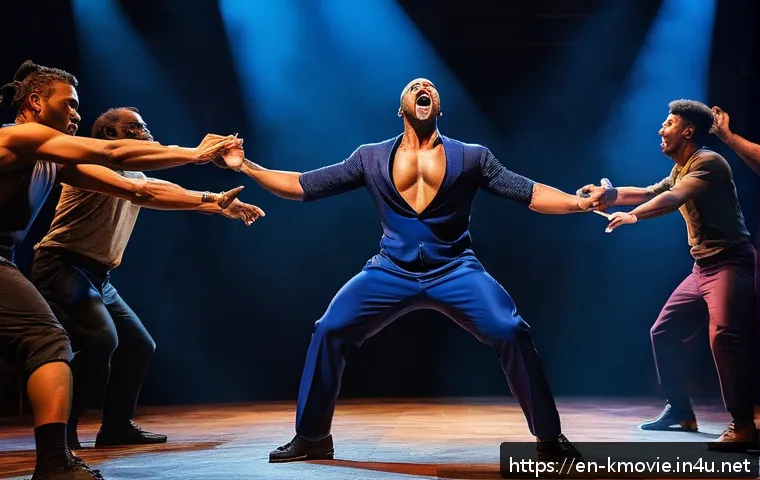
Whether you’re a film buff or an aspiring actor, exploring their intense methods offers a fascinating glimpse into the craft behind unforgettable performances.
Let’s dive into how these two masters bring characters to life with such compelling intensity, revealing secrets that can inspire and captivate any viewer.
Stick around—you won’t want to miss these insider insights that breathe new life into the art of acting.
Mastering Emotional Intensity Through Subtlety and Power
Channeling Inner Turmoil with Controlled Expression
The way some actors convey emotional depth without overwhelming the scene is truly an art form. One remarkable aspect I noticed is how an actor can portray intense feelings with minimal gestures, relying heavily on micro-expressions and voice modulation.
This approach pulls the audience in, making them feel every ounce of the character’s struggle without resorting to melodrama. For instance, in moments of silent grief or frustration, the slightest twitch of the eye or a barely audible sigh can communicate volumes.
This restrained style demands immense self-control and an acute awareness of one’s body language, something that seasoned performers develop over years of disciplined practice.
Harnessing Raw Energy for Dynamic Impact
On the flip side, some actors opt for a more explosive form of emotional delivery. Their performances are charged with palpable energy that fills the entire frame, grabbing your attention instantly.
This method often involves bold physicality, from sharp movements to intense vocal projection, creating a visceral connection with the audience. While it can be easy to overdo this, the key lies in balancing passion with authenticity so the character’s emotions feel genuine rather than forced.
When done right, this style leaves a lasting impression, making scenes unforgettable because the actor’s energy feels contagious and real.
Finding the Balance Between Subtlety and Intensity
What’s fascinating is how some actors effortlessly blend these two seemingly opposite techniques. They know exactly when to dial down their intensity to let a quiet moment breathe, and when to unleash their full emotional power to heighten drama.
This dynamic range creates a natural rhythm that keeps viewers engaged throughout the performance. For those of us who have tried acting ourselves, this balance is one of the toughest skills to master—it requires not just talent but also a deep understanding of the character’s emotional journey and timing.
Deep Character Immersion: Becoming the Role
Living the Character Beyond the Script
True immersion means the actor doesn’t just memorize lines but embodies the character’s entire existence. This involves extensive research, from understanding the character’s background to adopting their mannerisms and speech patterns.
Actors who excel at this often report that they carry the character’s mindset with them even off-camera, which helps maintain consistency in their portrayal.
This level of dedication enhances the believability of the performance, making the character feel like a living, breathing person rather than just a scripted figure.
Psychological Preparation and Emotional Recall
Many actors use techniques like emotional recall, where they tap into personal memories to evoke genuine feelings that match the character’s experience.
This psychological preparation can be intense, requiring emotional resilience and self-awareness. It’s not uncommon for actors to experience lingering emotions after a demanding scene, which speaks to how deeply they connect with their roles.
This method adds layers of authenticity, especially in scenes that demand vulnerability or trauma, making the audience empathize on a profound level.
Transforming Physicality to Reflect Inner Changes
Physical transformation is another crucial element of deep character immersion. Subtle shifts in posture, gait, or facial tension can signal internal changes in the character’s mindset or emotional state.
For example, a character burdened by guilt might walk with a slight slump, while one gaining confidence might stand taller as the story progresses. Mastery of such physical nuances enhances storytelling by showing rather than telling, allowing viewers to intuitively grasp the character’s evolution.
Techniques That Elevate Authenticity in Performance
Improvisation as a Tool for Realism
Improvisation isn’t just a warm-up exercise; it’s a powerful technique that can inject spontaneity and realism into a scene. Skilled actors use improvisation to explore their characters’ reactions beyond the script, often discovering fresh emotional beats and natural dialogue rhythms.
This flexibility makes interactions feel less rehearsed and more organic. Watching an actor seamlessly adapt to unexpected moments on set is a testament to their deep understanding of the character and the story’s emotional core.
Mastering Silence and Pauses
Silence is often underestimated in acting, yet it can speak louder than words. The strategic use of pauses allows tension to build and emotions to simmer beneath the surface.
A well-timed silence can convey hesitation, contemplation, or suppressed feelings, inviting the audience to fill in the gaps with their own interpretations.
This subtlety enhances engagement, making viewers active participants in decoding the character’s inner world.
Vocal Nuance and Its Emotional Power
Beyond what is said, how lines are delivered profoundly affects the impact of a performance. Variations in pitch, tone, and pacing can transform a simple sentence into a powerful emotional statement.
An actor who masters vocal nuance can suggest sarcasm, desperation, or tenderness without changing the words themselves. This skill requires acute listening and adaptability, especially during scenes where emotional shifts occur rapidly.
Physical Presence and Movement in Storytelling
Using Body Language to Amplify Emotion
Body language is a silent communicator that often conveys more than dialogue. An actor’s posture, gestures, and facial expressions shape how the character is perceived.
For example, clenched fists might reveal anger or anxiety, while open arms can signal vulnerability or openness. Skilled actors use their entire bodies as instruments, ensuring that every movement aligns with the character’s emotional state and narrative arc.
Spatial Awareness and Interaction
How an actor occupies space on screen or stage influences the dynamics between characters. Proximity or distance can hint at relationships, power struggles, or emotional barriers.

Observing actors’ movements relative to others reveals unspoken tensions or connections. This physical storytelling enriches scenes, providing visual cues that complement the dialogue and deepen audience understanding.
Physical Transformation for Role Authenticity
Some roles demand significant physical changes, from weight fluctuations to adopting new physical skills. Actors who commit to these transformations demonstrate remarkable dedication, often enduring physical discomfort to fully inhabit their characters.
These changes add a layer of credibility and show the actor’s respect for the role’s demands, which audiences and critics alike appreciate.
Embracing Cultural Context in Performance
Reflecting Societal Norms and Values
An actor’s performance gains depth when it acknowledges the cultural background of the character. This includes understanding societal expectations, traditions, and taboos that shape behavior.
Authentic portrayal requires sensitivity to these elements, avoiding stereotypes while highlighting nuances. For viewers, this cultural fidelity enriches the story’s realism and emotional resonance.
Adapting to Different Narrative Styles
Different cultures have varying storytelling conventions, from pacing to emotional expression. Actors who work across diverse genres and cultural contexts must adapt their techniques accordingly.
This flexibility broadens their skill set and enhances their ability to connect with a global audience. It also challenges them to innovate within their craft, keeping performances fresh and relevant.
Language and Accent Mastery
Mastering accents and dialects is another layer of cultural immersion that elevates authenticity. Accurate pronunciation and rhythm of speech help prevent distraction and disbelief.
Actors often work with dialect coaches to perfect these details, demonstrating their commitment to respectful and convincing portrayals.
Building Chemistry and Connection On Screen
Establishing Trust Among Cast Members
On-screen chemistry rarely happens by accident; it’s built through trust and rapport off-camera. When actors feel comfortable with one another, their interactions become more natural and compelling.
This trust allows them to take risks, experiment with emotional beats, and respond authentically in the moment. As a viewer, you can often sense when this connection exists—it elevates the entire production.
Responding to Fellow Actors’ Energy
Great actors listen as much as they speak, responding intuitively to their scene partners’ cues. This responsiveness creates a dynamic flow that breathes life into dialogue and action.
It’s like a dance where each participant leads and follows seamlessly, ensuring the story unfolds organically rather than mechanically.
Maintaining Consistency in Long Takes and Scenes
Long takes or extended scenes demand sustained emotional and physical energy. Actors must maintain their character’s essence without faltering, which requires intense focus and stamina.
The ability to hold this consistency heightens realism and immerses the audience deeply into the narrative world.
Comparing Signature Techniques and Styles
| Aspect | Controlled Subtlety | Explosive Intensity |
|---|---|---|
| Emotional Expression | Minimal gestures, micro-expressions | Bold movements, loud vocalization |
| Physicality | Reserved, precise body language | Dynamic, energetic presence |
| Vocal Delivery | Soft, nuanced tone | Strong, commanding voice |
| Character Preparation | Psychological immersion, emotional recall | Physical transformation, high energy rehearsal |
| Interaction Style | Subtle reactions, attentive listening | Expressive responses, proactive engagement |
Closing Thoughts
Mastering emotional intensity in acting is a delicate balance between subtlety and power, requiring both control and passion. When actors skillfully blend these approaches, they create performances that resonate deeply and feel authentic. This art form demands dedication, emotional insight, and a profound connection to the character’s inner world. Whether through quiet gestures or dynamic energy, true mastery captivates and moves audiences in unforgettable ways.
Helpful Insights
1. Emotional restraint can be just as powerful as overt expression, often drawing audiences closer through nuanced performance.
2. Physical transformation and vocal control are essential tools that bring characters to life beyond the script.
3. Deep character immersion involves psychological preparation and understanding cultural context to enhance authenticity.
4. Building trust and chemistry with fellow actors elevates on-screen interactions and creates believable relationships.
5. Mastery of silence, improvisation, and spatial awareness enriches storytelling by adding layers of meaning beyond dialogue.
Key Takeaways
Balancing subtle emotional cues with moments of intense expression is vital for compelling acting. Deep preparation—both mental and physical—enables actors to fully inhabit their roles and convey genuine feelings. Collaboration and responsiveness on set foster natural performances, while attention to cultural nuances and vocal detail enhances credibility. Ultimately, the ability to engage the audience emotionally comes from a combination of technical skill and heartfelt connection to the character’s journey.
Frequently Asked Questions (FAQ) 📖
Q: uestionsQ1: How do Choi Min-sik and Ryu Seung-ryong differ in their acting styles?
A: Choi Min-sik is known for his intense, immersive approach, often fully embodying the emotional core of his characters with raw and sometimes explosive energy.
He tends to delve deeply into psychological complexity, making his performances feel visceral and unforgettable. On the other hand, Ryu Seung-ryong brings a more subtle yet equally powerful style, focusing on nuanced expressions and naturalistic portrayals that draw audiences in through relatability and understated depth.
Experiencing both actors side by side shows how contrasting methods can equally captivate, whether through dramatic intensity or quiet authenticity.
Q: What can aspiring actors learn from these two masters’ techniques?
A: Aspiring actors can gain valuable lessons by studying how both actors commit fully to their roles but in different ways. Choi Min-sik’s method teaches the importance of emotional bravery and transforming oneself completely, which can be crucial for roles demanding high drama or conflict.
Meanwhile, Ryu Seung-ryong’s style highlights the power of subtlety and timing, reminding actors that sometimes less is more when conveying genuine emotion.
Together, their work encourages actors to find their unique balance between intensity and restraint, adapting to the character’s needs rather than relying on a single formula.
Q: Why do audiences find performances by Choi Min-sik and Ryu Seung-ryong so compelling?
A: Audiences are drawn to their performances because both actors deliver authenticity that feels deeply human. Choi Min-sik’s gripping intensity makes viewers almost physically feel the character’s struggles, creating an emotional connection that lingers long after the scene ends.
Ryu Seung-ryong’s more subtle approach offers a mirror to everyday life, making his characters relatable and believable in a way that resonates on a personal level.
This combination of emotional depth and authenticity keeps viewers engaged, proving that powerful acting is as much about truthfulness as it is about skill.