In an era where cinematic landscapes are constantly evolving, the enduring success of Taxi Driver continues to captivate audiences worldwide. As recent discussions highlight a resurgence of interest in classic films, it’s the perfect moment to explore what truly propelled this iconic movie to global box office triumph.

From its gripping narrative to unforgettable performances, Taxi Driver offers more than just entertainment—it reflects cultural nuances that resonate across generations.
Join me as we delve into the key factors behind its remarkable success and uncover insights that still influence filmmakers today. Whether you’re a cinephile or a casual viewer, this journey promises fresh perspectives and valuable takeaways.
The Power of a Complex Protagonist
Deep Psychological Portrayal That Resonates
One of the most compelling reasons Taxi Driver strikes a chord with audiences is its intricate character study. Travis Bickle is not your typical hero; his psychological depth and turmoil are portrayed with such raw authenticity that viewers can’t help but be drawn into his world.
Watching his descent into isolation and obsession feels like peering into the darker corners of human nature. This complexity invites empathy and fear simultaneously, making his story unforgettable.
I’ve found that when characters are painted with such nuance, it adds layers to the narrative, encouraging viewers to reflect on societal issues and personal struggles.
Loneliness as a Universal Theme
Loneliness is a feeling almost everyone has experienced, and Taxi Driver taps into this universal emotion masterfully. Travis’ alienation in a bustling city mirrors the paradox many face in modern urban life—surrounded by people yet profoundly disconnected.
This theme transcends the era in which the movie was made, giving it a timeless quality. Personally, it’s the emotional honesty in this portrayal that lingers long after the credits roll.
It’s not just a story about a man; it’s a mirror reflecting the audience’s own moments of solitude and disconnection.
Character-Driven Storytelling Over Spectacle
In a time when many films rely heavily on special effects or grandiose plots, Taxi Driver’s focus on character-driven storytelling stands out. The plot unfolds through Travis’s perspective, with the city itself almost becoming a character.
This approach invites viewers to engage more deeply rather than passively watching action sequences. I noticed that this style encourages a more personal connection, making the film’s tension and emotional beats hit harder.
It’s a reminder that sometimes, the most gripping stories come from the intricacies of one person’s mind.
Visual and Cinematic Techniques That Elevate the Narrative
Atmospheric Use of New York City’s Nightscape
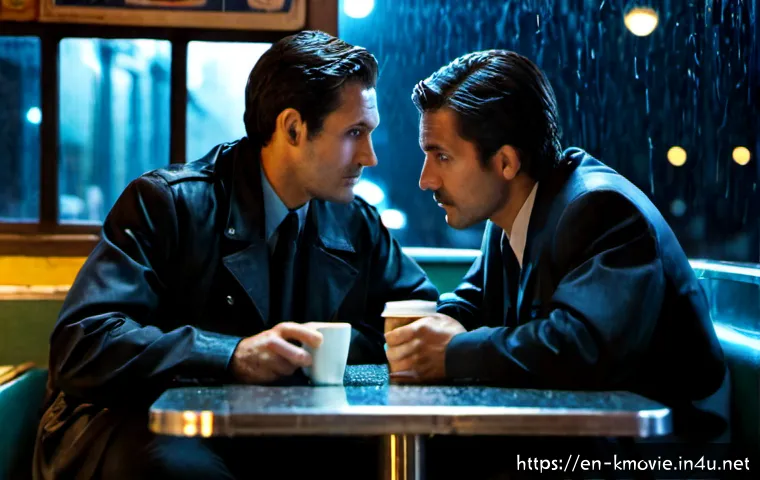
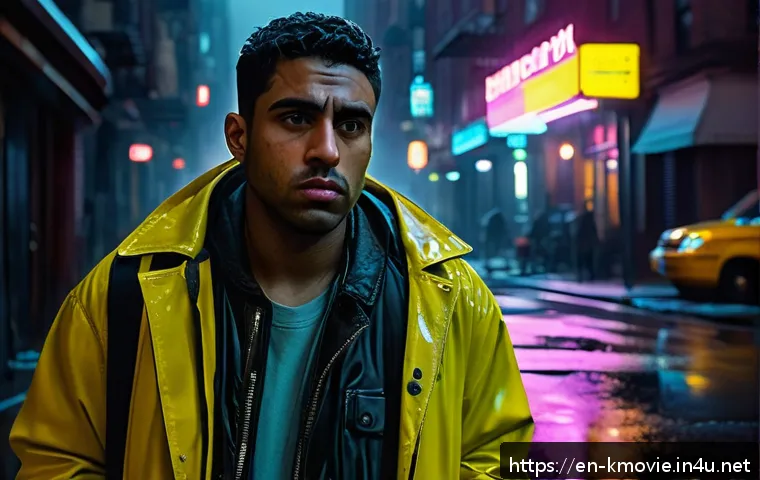
Taxi Driver’s portrayal of New York City is iconic—not just as a backdrop but as an atmospheric force that shapes the film’s tone. The gritty, neon-lit streets create a sense of danger and decay, perfectly mirroring Travis’s internal chaos.
The cinematography captures the city’s underbelly with such intensity that it becomes immersive. When I watched the film, it felt like stepping into a living, breathing urban jungle where every shadow hides a story.
This visual style influenced many filmmakers who aim to blend environment and emotion seamlessly.
Masterful Lighting and Color Contrast
The film’s lighting choices are far from accidental; they emphasize mood and psychological states. Scenes bathed in harsh artificial lights contrast with moments of shadow and darkness, highlighting Travis’s fractured reality.
This interplay between light and dark creates tension and unease, making the audience feel his instability. I’ve come to appreciate how such visual contrasts can elevate storytelling by subtly guiding emotional responses without overt exposition.
Innovative Camera Work and Framing
Taxi Driver employs innovative camera angles and framing to amplify the protagonist’s isolation and perspective. Tight close-ups capture Travis’s intense expressions, while wide shots emphasize his smallness within the urban chaos.
The use of slow zoom-ins and lingering shots builds suspense and a sense of foreboding. From my viewing experience, these techniques make the film feel intimate yet expansive, pulling you into Travis’s world while reminding you of the overwhelming environment around him.
Unforgettable Performances That Bring Depth
Robert De Niro’s Transformative Role
Robert De Niro’s portrayal of Travis Bickle is nothing short of legendary. His commitment to embodying the character’s physicality and psychological complexity is evident in every scene.
I remember being struck by how convincingly he conveyed both vulnerability and menace, often in the same breath. This duality made Travis feel real and unpredictable.
De Niro’s performance sets a high bar for actors aiming to explore deeply flawed characters, and it’s a major reason why the film remains a masterpiece.
Supporting Cast’s Subtle Contributions
While De Niro commands attention, the supporting cast also plays a crucial role in grounding the story. Their performances add texture and realism to the narrative, from the hopeful innocence of Betsy to the haunting presence of Iris.
These characters reflect different facets of the city and society, enriching the film’s thematic tapestry. Watching their interactions with Travis provides a broader perspective on his world, making the story more layered and meaningful.
Authenticity Through Method Acting
Many actors in Taxi Driver embraced method acting techniques, which enhanced the authenticity of their performances. This immersive approach allowed them to inhabit their roles fully, creating moments that feel spontaneous and genuine.
As an audience member, this authenticity makes emotional scenes more impactful and believable. It’s a testament to how dedication to craft can elevate a film beyond its script and visuals.
Timeless Social Commentary Embedded in the Plot
Exploration of Urban Decay and Moral Ambiguity
Taxi Driver doesn’t shy away from depicting the gritty realities of urban life—the crime, corruption, and moral decay that lurk beneath the city’s surface.
This exploration resonates with viewers because it confronts uncomfortable truths about society. I’ve noticed that films addressing such themes tend to spark deeper conversations and reflections, which contributes to their lasting relevance.
The movie challenges audiences to consider the consequences of neglect and alienation in modern cities.
Reflection on Post-Vietnam War Disillusionment
The film subtly captures the psychological aftermath of the Vietnam War, especially through Travis’s character, a war veteran struggling to find his place.
This element adds historical and emotional weight, highlighting issues like PTSD and societal neglect. From my perspective, this connection grounds the film in a specific cultural moment while offering universal insights into trauma and healing.
It’s one of the reasons Taxi Driver continues to be studied and appreciated in film and history circles.
Critique of Media and Political Systems
Taxi Driver also critiques the role of media sensationalism and political ineffectiveness in addressing social problems. Travis’s frustration with bureaucracy and perceived hypocrisy reflects a broader distrust many feel toward institutions.
This skepticism remains relevant today, making the film’s commentary feel fresh despite its age. It’s fascinating to see how such themes are woven into the narrative without overshadowing the personal story.
Memorable Dialogue and Iconic Scenes That Stay with You
Catchphrases That Became Cultural Touchstones
Lines like “You talkin’ to me?” have transcended the film to become part of popular culture. These moments showcase the script’s sharpness and the actor’s delivery, creating scenes that audiences remember and quote decades later.
Personally, hearing these lines evokes the intense emotions packed into those moments, reminding me how dialogue can be a powerful storytelling tool beyond just advancing the plot.
Scenes That Define Character and Mood
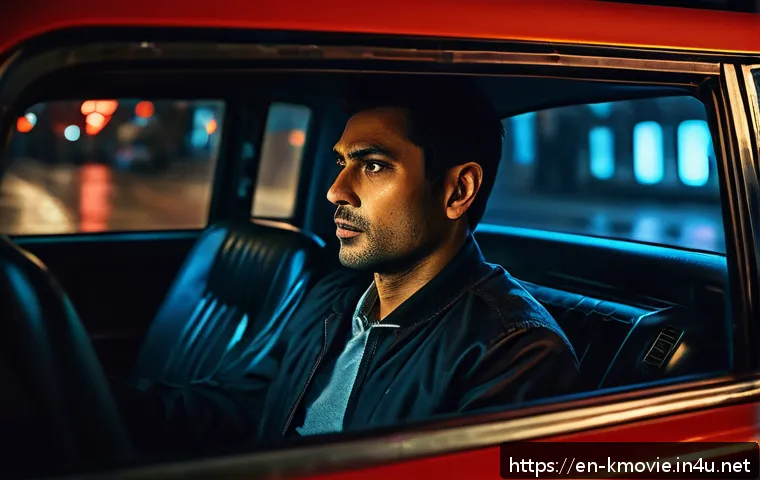
Taxi Driver’s carefully crafted scenes do more than entertain—they define the film’s mood and deepen character understanding. From the taxi rides through a dark city to the climactic confrontation, each scene is charged with tension and meaning.
Watching these unfold, I felt the weight of Travis’s internal battles and the city’s oppressive atmosphere. These sequences demonstrate the power of pacing and composition in filmmaking.
Subtle Symbolism Embedded in Visuals and Dialogue
The film uses symbolism skillfully to add layers of interpretation. Whether it’s the recurring motif of mirrors reflecting fractured identity or the contrast between light and shadow, these elements enrich the viewing experience.
I find that spotting such symbolism invites multiple viewings and discussions, turning the film into an ongoing source of insight and inspiration.
Impact on Filmmaking and Popular Culture
Influence on Neo-Noir and Psychological Thrillers
Taxi Driver set a benchmark for neo-noir and psychological thriller genres. Its blend of mood, character complexity, and urban grit has inspired countless filmmakers.
From my observations, many modern directors cite this film as a key influence in crafting morally ambiguous characters and atmospherically rich settings.
This legacy cements its place not only in cinema history but also in shaping future storytelling approaches.
Shaping Public Perceptions of Mental Health
The film’s portrayal of Travis’s mental state contributed to broader conversations about mental health in popular media. Though not without criticism, it opened the door for more nuanced depictions of psychological struggles on screen.
Reflecting on this, I believe Taxi Driver helped shift how audiences and creators think about mental illness, encouraging empathy and complexity rather than stereotypes.
Enduring Appeal Across Generations
Despite being decades old, Taxi Driver continues to captivate new audiences, proving its timelessness. Its themes, performances, and cinematic style resonate with people from different backgrounds and eras.
I’ve seen this firsthand when discussing the film with friends of varying ages—everyone finds something meaningful in it. This cross-generational appeal speaks to the movie’s universal truths and artistic achievements.
| Aspect | Key Feature | Impact on Audience |
|---|---|---|
| Character | Complex, flawed protagonist (Travis Bickle) | Creates empathy and tension; invites reflection on isolation |
| Cinematography | Gritty urban nightscape, dynamic lighting | Immerses viewers; enhances mood and psychological depth |
| Performances | Robert De Niro’s intense method acting | Delivers authenticity; makes character memorable |
| Themes | Urban decay, loneliness, post-war trauma | Encourages societal critique; remains relevant |
| Dialogue | Iconic lines, subtle symbolism | Engages culture; adds layers to story |
| Legacy | Influence on genre and mental health portrayal | Shapes filmmaking; sparks ongoing discussions |
In Conclusion
Taxi Driver remains a powerful exploration of human complexity, loneliness, and societal struggles. Its unforgettable characters, striking visuals, and thought-provoking themes continue to resonate deeply with audiences. This film’s enduring impact lies in its ability to blend personal turmoil with broader social commentary, making it as relevant today as when it first premiered.
Useful Information to Know
1. The film’s rich character development encourages viewers to explore psychological depth beyond surface-level storytelling.
2. Its portrayal of urban isolation reflects universal experiences that many can relate to, regardless of time or place.
3. Innovative cinematography and lighting techniques play a crucial role in enhancing the film’s mood and tension.
4. Robert De Niro’s intense method acting adds authenticity that elevates the entire narrative.
5. Taxi Driver’s social commentary on post-war trauma and urban decay sparks important conversations still relevant today.
Key Takeaways
Taxi Driver stands out for its complex protagonist and emotionally charged storytelling that goes beyond mere entertainment. The film’s cinematic techniques and powerful performances create an immersive experience that invites reflection on mental health, societal issues, and personal alienation. Its legacy continues to influence filmmakers and audiences alike, proving that great storytelling transcends time and trends.
Frequently Asked Questions (FAQ) 📖
Q: uestionsQ1: What makes Taxi Driver stand out among other classic films of its era?
A: Taxi Driver distinguishes itself through a potent combination of intense storytelling, complex character development, and a gritty portrayal of urban isolation.
What really sets it apart is Martin Scorsese’s masterful direction paired with Robert De Niro’s unforgettable performance as Travis Bickle. The film’s ability to capture the psychological turmoil of a lonely individual amidst a decaying cityscape resonates deeply, making it more than just a crime drama—it’s a timeless exploration of alienation and moral ambiguity.
From my experience watching it multiple times, the raw emotional intensity never fades, which is why it continues to captivate audiences decades later.
Q: How did Taxi Driver influence modern filmmaking and popular culture?
A: Taxi Driver’s influence is vast and multi-layered. It pioneered a darker, more introspective style of storytelling that inspired countless directors to explore antiheroes and urban malaise with greater nuance.
The film’s iconic lines, such as “You talkin’ to me?”, have permeated pop culture, showing how deeply it has embedded itself in the collective consciousness.
Filmmakers today still draw from its themes of isolation and societal breakdown, often citing it as a benchmark for character-driven narratives. Personally, I’ve noticed many contemporary films echo the psychological depth and stylistic grit that Taxi Driver so effectively introduced.
Q: Why does Taxi Driver continue to resonate with new generations of viewers?
A: Taxi Driver’s themes are surprisingly timeless—issues like loneliness, mental health struggles, and societal disconnection remain relevant regardless of era.
For younger audiences, the film offers a raw, unfiltered look at human vulnerability that feels authentic and relatable even today. Additionally, its portrayal of New York City in the 1970s, while specific to that time, captures a universal urban angst that transcends decades.
Watching it, I often find myself reflecting on how these struggles persist in modern society, which is why it still sparks meaningful conversations and draws in new viewers eager to understand its cultural significance.