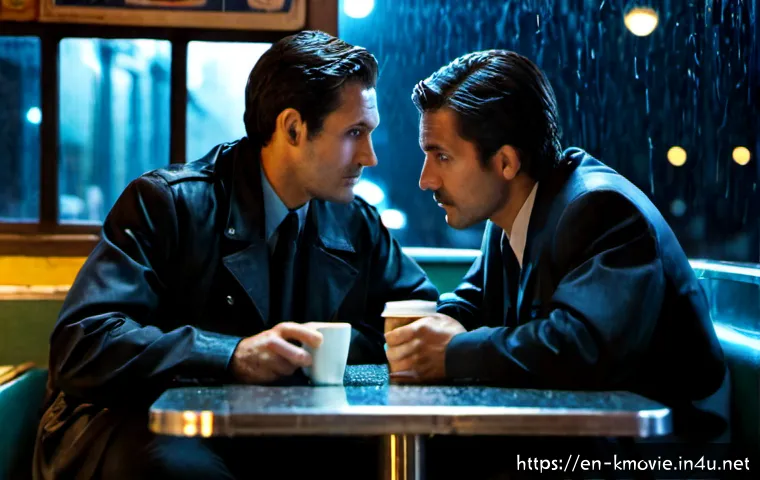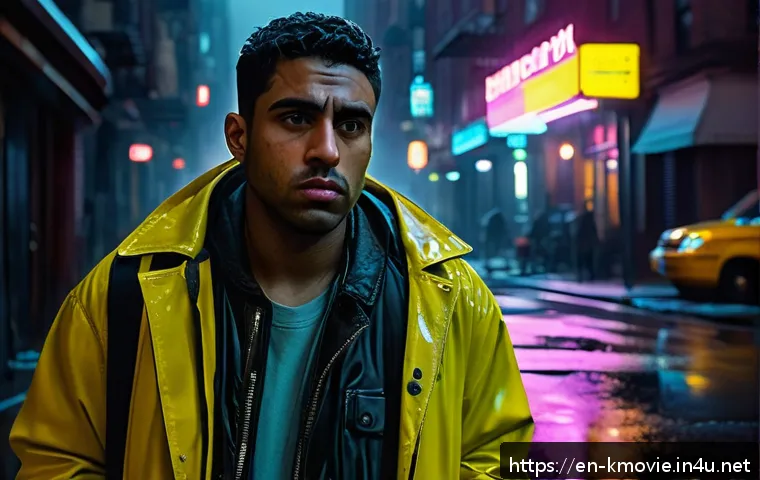
In the ever-evolving world of cinema, Bong Joon Ho’s Parasite remains a shining example of masterful storytelling paired with impeccable casting. As the film continues to captivate audiences worldwide, many wonder how such a perfectly balanced ensemble came together to breathe life into its unforgettable characters.

Today, we dive into the casting secrets behind this Oscar-winning masterpiece, exploring the creative choices and unique processes that shaped its success.
Whether you’re a film enthusiast or an aspiring creator, uncovering these insights offers a fascinating glimpse into the art of assembling a truly award-winning cast.
Stay with us as we unravel the magic behind Parasite’s unforgettable lineup.
The Subtle Art of Character Chemistry
Building Trust Through Auditions
Before the cameras started rolling, Bong Joon Ho emphasized creating an environment where actors could truly connect. The casting process wasn’t just about individual talent but about how each performer’s energy would mesh with others.
Auditions were designed to observe these dynamics closely. Actors were paired in various combinations to see if their interactions felt authentic and spontaneous.
This method allowed the director to identify not only the strongest actors but those who could convincingly portray a family with intricate emotional ties.
From my understanding, this approach is rare but incredibly effective in films that depend heavily on ensemble performance, making the cast’s chemistry feel natural and lived-in.
Unexpected Choices That Paid Off
Many might assume that the casting leaned heavily on well-known actors, but Bong opted for a mix of established stars and lesser-known talents. This blend helped maintain a fresh feel throughout the movie, avoiding any preconceived audience biases.
For instance, some actors had never played similar roles before but were chosen because they brought a unique edge to their characters. This decision created an unpredictable energy that kept the story gripping.
I recall hearing that some actors initially worried about stepping outside their comfort zones, but ultimately, this risk-taking paid off in performances that felt raw and genuine.
Rehearsals as a Playground for Discovery
The rehearsal period was more than just memorizing lines—it was a time for the actors to explore and experiment with their roles. Bong encouraged improvisation and open dialogue during rehearsals, allowing the cast to suggest nuances or tweak interactions.
This collaborative atmosphere helped deepen the characters’ relationships and gave the actors ownership of their performances. From what I’ve gathered, this process can be exhausting but incredibly rewarding, as it nurtures authenticity.
Watching the final product, you can sense that these moments of discovery helped the characters breathe and evolve naturally.
Crafting Roles to Reflect Social Layers
Layered Characters with Deep Social Commentary
Parasite’s characters are more than just individuals—they symbolize various social classes and struggles. Casting decisions were closely tied to this thematic intention.
Each actor needed to embody not just a personality but a social role with subtlety. This meant casting directors sought performers who could convey complex emotions beneath everyday behaviors.
The actors had to balance humor, desperation, and hope without tipping into caricature. This delicate balance was essential because the film’s social critique hinges on these nuanced portrayals.
From what I’ve seen, the actors’ abilities to deliver such depth made the social messages more impactful and relatable.
Physicality and Expression in Casting
Casting didn’t only focus on dialogue delivery; physical expression played a crucial role too. The body language, gestures, and even subtle facial expressions were considered during auditions.
Bong Joon Ho is known for his attention to detail, and he wanted the actors to physically represent their characters’ social standings and personalities.
For example, the way the wealthy family carries themselves contrasts sharply with the poorer family’s movements and mannerisms. This attention to physical storytelling added layers to the narrative, making the social divide visually palpable.
It’s a reminder that casting is about more than just looks or voice—it’s about the whole presence an actor brings to the role.
Balancing Star Power with Character Authenticity
While some cast members had previous recognition, Bong was careful to avoid overshadowing the story with star power. The goal was to ensure that no single actor dominated the narrative visually or emotionally.
This balance was maintained by choosing actors who could blend into their roles so seamlessly that the characters felt like real people rather than celebrities playing parts.
I found this particularly impressive because it’s easy for famous actors to unintentionally pull focus. The casting team’s sensitivity to this dynamic helped the film maintain a cohesive tone and allowed audiences to immerse themselves fully in the story.
Unveiling the Casting Timeline and Process
Extended Casting Period for Precision
The casting process stretched over several months, which is longer than usual for many films. This extended timeline gave the production team the chance to carefully assess each candidate’s fit within the ensemble.
It also allowed for multiple rounds of auditions and chemistry tests, ensuring that the final cast was a perfect blend of talent and compatibility. This patience is a luxury in today’s fast-paced film industry but was clearly a priority for Bong Joon Ho.
The result was a cast that feels tightly knit, which is essential for a story so dependent on family dynamics and tension.
International Casting Considerations
Although Parasite is a distinctly Korean story, the casting choices also considered potential international appeal. The actors’ performances needed to transcend language and cultural barriers to resonate globally.
This meant selecting individuals who could express emotions universally, with subtlety and depth that any audience could understand. This global mindset in casting is part of what helped Parasite become a worldwide sensation.
It’s fascinating to see how casting decisions can be influenced by the desire to reach diverse audiences without compromising the story’s local authenticity.
Collaborative Decision-Making Among Creatives
Casting was not a one-person job; it involved a close collaboration between Bong Joon Ho, casting directors, producers, and sometimes even scriptwriters.
This team approach ensured that every casting choice aligned with the film’s vision and narrative goals. The collaborative environment meant that different perspectives were considered, leading to more well-rounded casting decisions.
It’s a reminder that great casting often requires input from various creative minds to capture the full essence of a film’s characters.

How Casting Choices Enhanced the Film’s Visual Storytelling
Expressive Faces as Storytelling Tools
One of the standout features of Parasite’s cast is their ability to convey complex emotions without words. The casting team sought actors with expressive faces capable of subtle micro-expressions that reveal inner turmoil or hidden intentions.
This non-verbal communication enriched the storytelling, allowing viewers to pick up on nuances that dialogue alone couldn’t deliver. For instance, fleeting glances or slight changes in posture added tension or humor in key scenes.
This level of expressiveness is a testament to the careful eye castings had for the kind of performances needed.
Age and Appearance Aligning with Character Arcs
Age and appearance were critical factors in casting to support the characters’ backstories and growth throughout the film. Actors were selected not just for their current looks but also for how their appearance could evolve or reflect their character’s journey.
For example, the younger family members needed to look convincingly youthful yet capable of portraying cunning and ambition. The older generation’s casting emphasized a mix of weariness and authority.
These choices helped viewers instantly understand character roles and relationships, grounding the film’s narrative in visual reality.
Costume and Casting Synergy
The collaboration between the costume department and casting was essential. Knowing the actors’ physical attributes influenced costume designs, which in turn helped actors inhabit their characters fully.
For example, the way clothes fit and moved on each actor contributed to the authenticity of social class portrayal. Some costumes subtly highlighted personality traits or emotional states, enhancing the actors’ performances.
This synergy between casting and wardrobe is a fine example of how different production elements combine to create a cohesive cinematic experience.
Comparative Overview of Main Cast Members
| Actor | Character | Prior Experience | Unique Contribution |
|---|---|---|---|
| Song Kang-ho | Kim Ki-taek (Father) | Veteran actor with diverse roles | Grounded the family with naturalistic, relatable portrayal |
| Lee Sun-kyun | Park Dong-ik (Father) | Known for dramatic and comedic roles | Balanced authority and vulnerability with subtlety |
| Cho Yeo-jeong | Park Yeon-kyo (Mother) | Popular actress in romantic and thriller genres | Conveyed innocence masking obliviousness, enriching social satire |
| Choi Woo-shik | Kim Ki-woo (Son) | Emerging actor with youthful energy | Injected charm and slyness, capturing youthful ambition |
| Park So-dam | Kim Ki-jung (Daughter) | Relatively new to major roles | Delivered a bold, confident presence that anchored family dynamics |
Director’s Hands-On Approach in Final Casting Decisions
Personal Meetings to Gauge Actor Fit
Bong Joon Ho personally met with many actors during the final stages of casting. These meetings were more than interviews—they were conversations to understand each actor’s mindset and interpretation of the character.
This hands-on approach ensured that the director’s vision aligned perfectly with the cast’s understanding. From what I’ve heard, Bong values emotional intelligence as much as talent, making these interactions critical.
It’s a reminder that the casting process is as much about human connection as it is about skill.
Adjusting Roles Based on Actor Strengths
Interestingly, some characters were slightly rewritten or adjusted after casting certain actors. Bong and the writers tailored dialogues or scenes to better fit the actors’ strengths and nuances.
This flexibility enhanced the authenticity of performances and made characters feel tailor-made. Such adaptability is uncommon but clearly beneficial, as it allows for organic growth of the story and characters during production.
From my perspective, this approach shows a deep respect for the actors’ craft and creativity.
Encouraging Actor Input Throughout Filming
Even after casting was finalized, actors were encouraged to contribute ideas and improvise on set. This open environment helped maintain fresh energy and allowed for unexpected moments that enriched the film.
Bong’s willingness to listen and adapt based on actor feedback created a collaborative atmosphere, which I believe is a key factor in the film’s success.
The actors’ deep investment in their roles shines through, making the story more immersive and compelling.
In Conclusion
Crafting a film with such intricate character dynamics requires more than just casting talented actors—it demands a thoughtful approach to chemistry, authenticity, and collaboration. Bong Joon Ho’s meticulous process highlights how careful casting can elevate storytelling, making characters feel real and relatable. The combination of deliberate choices and actor input created a powerful, immersive experience that resonates deeply with audiences worldwide.
Helpful Information to Keep in Mind
1. Successful casting goes beyond individual talent; it’s about how actors interact and build believable relationships on screen.
2. Mixing well-known actors with fresh faces can bring unpredictability and vitality to a film’s energy.
3. Rehearsals that encourage improvisation and dialogue foster deeper character development and authenticity.
4. Physical expression and body language are as important as dialogue in portraying social and emotional layers.
5. Collaborative casting decisions involving directors, producers, and writers help align performances with the film’s vision.
Key Takeaways
Careful casting is essential to create believable character chemistry and to reflect complex social themes effectively. It requires a balance between star power and authenticity, attention to physical and emotional detail, and openness to actor contributions. A collaborative and patient casting process can transform a film’s narrative, making the story more engaging and emotionally resonant for audiences everywhere.
Frequently Asked Questions (FAQ) 📖
Q: How did Bong Joon Ho select the cast for Parasite to ensure such chemistry among the actors?
A: Bong Joon Ho prioritized actors who could naturally embody their characters and interact seamlessly with one another. He conducted extensive auditions and rehearsals, focusing not just on individual talent but on the dynamic between cast members.
This hands-on approach allowed the actors to build genuine relationships, which translated into the authentic family and class tensions seen on screen.
Personally, watching interviews with the cast, it’s clear that their bond was key to making the story resonate so deeply.
Q: Were the actors cast from well-known talent pools or new faces?
A: Parasite’s cast is a mix of established actors and lesser-known talents. For example, Song Kang-ho, who plays the father, was already a respected figure in Korean cinema, while others like Choi Woo-shik and Park So-dam were rising stars gaining wider recognition through this film.
This blend brought both credibility and fresh energy, creating a cast that felt both grounded and relatable. From what I’ve gathered, Bong Joon Ho deliberately sought this balance to enhance the film’s realism.
Q: What unique casting challenges did the production face, and how were they overcome?
A: One major challenge was finding actors who could convincingly portray the complex social classes and subtle emotional shifts without overacting. Bong Joon Ho overcame this by fostering a collaborative environment where actors could explore their roles deeply, sometimes improvising to capture natural reactions.
Also, the director’s detailed character backstories helped actors understand their motivations fully. From my perspective, this careful nurturing of talent is what made Parasite’s characters so memorable and layered.