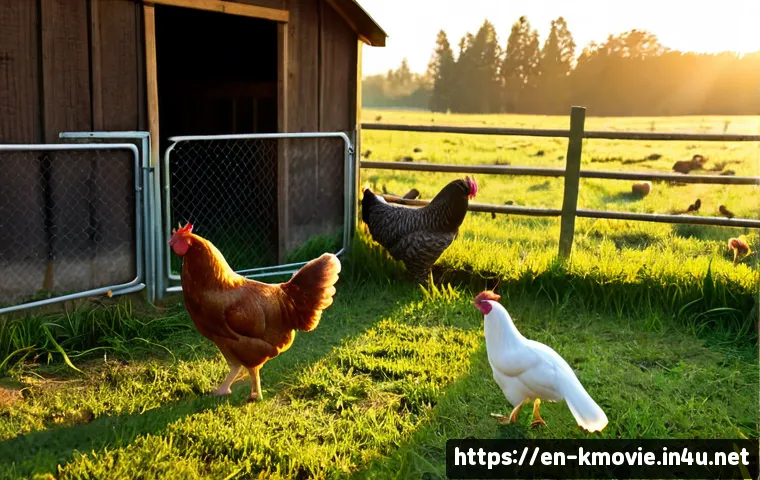
*Leafie, A Hen into the Wild* follows Sprout, a laying hen who leaves the coop seeking freedom and the chance to care for a young life. Its central lesson is that freedom is not only escape—it can also mean choosing love, responsibility, and belonging despite fear.
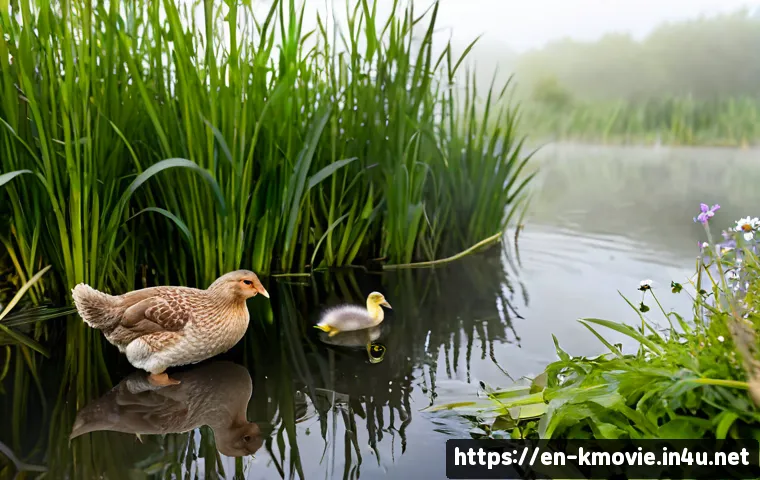
The novel is often read as children’s or middle-grade fiction, but its emotionally difficult moments give parents, teachers, and book clubs plenty to discuss.
Families should know that the story includes danger, loss, and sacrifice involving animals. When choosing a copy or reading resource, compare the format, reading level, and discussion support that fit the reader’s needs.
At a Glance
- Plot: Sprout, a laying hen, leaves farm life and faces the uncertainty of the wild while pursuing her wish to raise a young bird.
- Main lesson: The story connects freedom with motherhood, chosen family, courage, sacrifice, and belonging.
- Content note: The ending and several tense moments may feel sad or intense for readers who are sensitive to animal danger and loss.
| Reader or Use | Best Selection Focus | Helpful Reading Support |
|---|---|---|
| Independent middle-grade reader | Reading confidence and emotional readiness | A brief conversation after difficult scenes |
| Parent read-aloud | A format that is comfortable to share and pause | Simple questions about freedom, family, and feelings |
| Book club | An edition that supports note-taking or group discussion | Discussion questions about sacrifice and belonging |
| Classroom reading | Clear reading level information and suitable supplementary material | A teacher guide or discussion workbook, if needed |
Quick Answer: What Happens in Leafie, A Hen into the Wild?
Three-sentence plot overview
Leafie, A Hen into the Wild is the English title commonly used for Hwang Sun-mi’s Korean novel The Hen Who Dreamed She Could Fly. The story follows Sprout, a laying hen who longs to leave the chicken coop and live beyond the limits placed on her. Once outside the farm, she encounters danger and uncertainty, then finds herself caring for a duckling rather than the chick she once imagined raising.
The central message in plain language
The book’s message is bigger than “follow your dream.” Sprout wants freedom, but she also wants to care for another living being. Her journey suggests that a meaningful life may involve risk, responsibility, and love—not simply getting away from an unhappy place.
Brief content note for parents and educators
This is an animal story with emotional weight. Readers may encounter tense situations, prejudice, separation, and sacrifice. The ending is often discussed as both difficult and meaningful, so it is wise to consider a child’s comfort with sad animal stories before presenting it as a completely light read-aloud.
The Story’s Main Events and Characters
Sprout’s life on the farm and her wish for freedom
Sprout begins as a hen living within the narrow routine of the farm. Her dream is not vague restlessness. She wants a life outside the coop, but she also has a deeply personal hope: to hatch and raise a chick. That second wish matters because it prevents a common oversimplification of the novel. Sprout is not only trying to escape; she is searching for a chance to give care.
Leaving the coop and surviving outside
Life beyond the farm does not become easy simply because Sprout is free. The wild brings danger and uncertainty, showing that independence has real costs. For students, this contrast can lead to a useful discussion: Is freedom the same as safety? The novel does not treat the answer as simple, and readers should not expect a carefree animal adventure.
Raising a duckling and finding an unexpected family
A major turn in the story comes when Sprout cares for a duckling rather than a chick of her own. This changes the meaning of her dream. The novel invites readers to think about chosen family: family can be formed through care, loyalty, and daily responsibility, not only through biological connection.
The ending and why it matters
The ending is emotionally difficult, which is one reason the book remains meaningful for older children and adult readers. Rather than reducing the conclusion to a simple happy or sad label, readers can ask what Sprout has chosen, what she has given, and how her idea of belonging has changed. For a first reading, it may help to avoid detailed spoilers and leave room for a conversation afterward.
Key Lessons: Freedom, Motherhood, and Belonging
Why Sprout’s dream changes over time
At first, Sprout’s goal may look like escape from the coop. As the story develops, her desire becomes more active and caring. She does not merely want a different place to live; she wants a life with purpose. This is a useful distinction for classroom reading guides because it helps students trace how a character’s motivation can deepen rather than simply change direction.
Chosen family versus biological family
Sprout’s relationship with the duckling brings the theme of family into focus. The connection is unexpected, yet it becomes central to the story. Readers can discuss whether biology alone defines family, or whether protection, commitment, and affection also create family bonds. This question works especially well for a family reading discussion or book-club conversation.
Courage, sacrifice, and accepting difference
The novel also addresses prejudice and difference. Sprout’s experiences encourage readers to notice how belonging can be withheld when someone seems unfamiliar or does not fit an expected role. Her courage is not presented as having no fear. Instead, the story connects courage with acting through fear and accepting the cost of caring for someone else.
Is This Book Right for the Reader?
Best fit for independent middle-grade readers
The English-language edition is generally categorized as children’s or middle-grade fiction. It may suit independent readers who are ready for a story with strong feelings and serious themes. The most suitable minimum age depends on the individual child’s emotional maturity and comfort with tense or sad animal stories, so category labels alone are not enough.
Parent read-aloud and family discussion considerations
For a parent read-aloud, this novel can create thoughtful conversations about dreams, family, and making difficult choices. Consider pausing after emotionally intense sections and asking open questions such as, “What does Sprout want most right now?” or “What makes someone part of a family?” Avoid promising a cheerful ending if a child is especially sensitive to animal loss.
Classroom and book-club discussion potential

The story has clear potential for a classroom or book club because its themes are accessible while its questions are not overly simple. A discussion workbook or teacher guide can be useful when a group needs structured prompts, vocabulary support, or activities on character motivation and theme. For an informal reading group, a short list of thoughtful questions may be enough.
Emotional themes to prepare for
Before reading, it is helpful to prepare for danger, uncertainty, exclusion, and sacrifice. These themes are not a reason to avoid the book automatically. They are a reason to match the book with the reader and to make space for reflection. A child who enjoys animal stories may still need support if they expect every animal story to be gentle.
Choosing an Edition and Reading Support
Print, ebook, and audiobook: practical comparison points
Print editions can be practical for readers who like to pause, mark passages, or return to key scenes during class discussion. Ebooks may suit readers who prefer adjustable display settings or convenient access across devices. If an audiobook edition is available in your market, it may help with shared listening or readers who respond well to spoken storytelling. No format is automatically best; choose based on reading habits and the intended use.
When a teacher guide or discussion workbook adds value
A teacher guide or discussion workbook can add value when the book is being used for lessons, guided reading, or a structured book club. Look for materials that support theme discussion rather than only recall questions. Useful resources may help readers explore Sprout’s goals, the meaning of chosen family, and the contrast between freedom and security.
What to check before buying or borrowing a copy
Details can differ between editions and markets. Before choosing a print book, ebook, audiobook, or classroom resource, check the edition information, the stated reading level, available discussion support, and whether the version fits your intended setting. Page counts, cover art, translator credits, and supplementary materials may vary, so confirm the listing rather than assuming all versions are identical.
Selection Criteria and Comparison Summary
Choose by reading confidence, emotional readiness, and intended use
Choose this novel for readers who want a compact animal story with themes that continue beyond the final page. For an independent reader, prioritize reading confidence and emotional readiness. For a family or classroom, prioritize a format that makes discussion easy and consider whether a reading guide, teacher guide, or discussion workbook would make the experience more useful.
Quick checklist for parents, teachers, and book-club hosts
1. Is the reader comfortable with tense and sad animal stories?
2. Is the book for private reading, a family read-aloud, or group discussion?
3. Would print, ebook, or an available audiobook fit the reader’s habits?
4. Is structured discussion support needed?
5. Have you checked the specific edition’s details and supplementary materials?
Compare format, reading level, and discussion support before choosing. Official edition details and available classroom resources can be checked on the relevant book or publisher information page.
Final takeaway: who will benefit most from the novel
Leafie, A Hen into the Wild is especially rewarding for readers ready to discuss more than plot. It suits students, families, and groups interested in freedom, motherhood, belonging, and the meaning of sacrifice. Its strongest impact comes from recognizing that Sprout’s dream is not only to leave the coop, but also to love and protect another life.
Final Thoughts
This novel offers a simple premise with layered emotional meaning. Sprout’s journey can be read as an adventure, but it is also a reflection on responsibility and the need to belong. The book may be especially valuable when readers have time to talk about its difficult moments rather than rushing past them. Choosing the right format and level of discussion support can make that conversation easier.
Useful Things to Know
Title connection: The English title is commonly used for Hwang Sun-mi’s Korean novel The Hen Who Dreamed She Could Fly.
Key character: Sprout is a laying hen whose hopes include both freedom and raising a young bird.
Discussion focus: Chosen family is essential to the story, especially because Sprout cares for a duckling rather than a chick.
Reading context: The novel is generally categorized as children’s or middle-grade fiction, while also offering depth for adults.
Important Notes
Reading suitability varies by child and cannot be determined by genre labels alone. The story includes emotionally intense animal-related events, and the ending may be difficult for some readers. Exact plot wording can vary between translations and adaptations. Edition-specific details, including page count, cover art, translator credits, and supplementary material, should be verified before buying, borrowing, or assigning a copy.
Frequently Asked Questions
Q1. What is the main lesson of Leafie, A Hen into the Wild?
A1. The main lesson is that freedom is connected to purpose, care, and responsibility. Sprout’s journey shows that belonging and family can grow through love and sacrifice, not only through biological ties.
Q2. Is Leafie, A Hen into the Wild appropriate for children, or is it too sad?
A2. It is generally categorized as children’s or middle-grade fiction, but it includes danger, loss, and an emotionally difficult ending. It may be a good fit for children who are comfortable with serious animal stories, especially when an adult is available for conversation afterward.
Q3. Which format is best for a classroom or family read-aloud: print, ebook, or audiobook?
A3. The best format depends on how the book will be used. Print can help with shared page reference and note-taking, ebooks may offer convenient reading settings, and an available audiobook can support shared listening. Compare format, reading level, and discussion support before choosing.