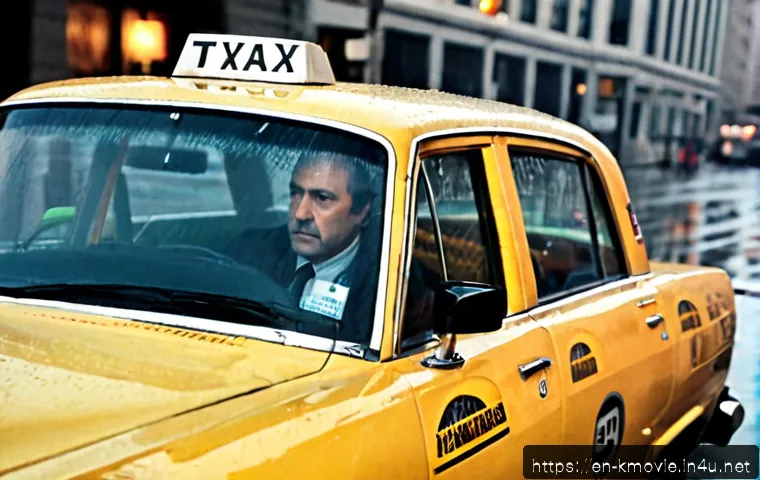
*A Taxi Driver* is based on a real reporting journey to Gwangju in May 1980, but it is not a scene-by-scene reconstruction. The connection between German journalist Jürgen Hinzpeter and the taxi driver who took him there is historically grounded, while much of the dialogue, danger, and personal drama is shaped for the screen.

Directed by Jang Hoon, the 2017 South Korean historical drama uses that journey to introduce the Gwangju Uprising to a broad audience. It can be a strong choice for viewers who want an emotionally direct entry point into Korean history.
For closer historical study, pair a streaming rental or subscription viewing with a documentary or carefully documented reading. Before choosing a version to watch, check subtitle options, access terms, and whether the resource is suitable for individual or classroom use.
At a Glance
- The central journey is real: a Seoul taxi driver took German journalist Jürgen Hinzpeter to Gwangju during the events of May 1980.
- The film is dramatized: the driver is renamed Kim Man-seob, and specific dialogue, chase scenes, and encounters cannot be treated as confirmed history.
- Best viewing approach: use the feature film for human perspective, then add a documentary or reputable historical resource for context.
| Format | Best Use Case | What It Helps You Understand | What It Cannot Confirm Alone |
|---|---|---|---|
| Feature film | Casual viewing or an accessible first introduction | Emotional stakes, atmosphere, and the importance of the reporting trip | Exact dialogue, individual scenes, timelines, and supporting characters |
| Documentary | Deeper historical context | Recorded material, testimony, and the broader events in Gwangju | Every private moment from the real taxi driver’s journey |
| Historical reading or educational resource | Study, discussion, and classroom preparation | Context, terminology, and questions for careful analysis | The immediate emotional experience created by a dramatic film |
What the Film Gets Right About the Journey to Gwangju
The core premise of A Taxi Driver is grounded in history. The film is set during the Gwangju Uprising in May 1980 and centers on a Seoul taxi driver who takes Jürgen Hinzpeter, a German journalist, to Gwangju. Hinzpeter’s reporting and footage helped bring international attention to the violence taking place there.
The documented connection between Jürgen Hinzpeter and the taxi driver
The driver character is inspired by Kim Sa-bok, who drove Hinzpeter during his reporting trip. The film changes the driver’s name to Kim Man-seob and builds a fuller private life around him. That distinction matters: the real journey is the historical foundation, but the film’s version of the driver is a dramatic character rather than a complete biographical record.
The exact identity, later life, and some details of the real driver’s role were not fully known to the public for many years. That uncertainty is a reason to watch the film with interest, not a reason to treat each scene as verified evidence.
Why the 1980 Gwangju events mattered beyond South Korea
The Gwangju Uprising occurred under South Korea’s military government. It involved civilian protests, military repression, and significant loss of life. Hinzpeter’s ability to report from Gwangju mattered because his footage helped make the violence visible beyond South Korea.
The film’s strongest historical value is its reminder that access to information can shape how the outside world understands a crisis. It also shows why the journey of one journalist and one driver became meaningful far beyond a single taxi ride.
Three key takeaways for first-time viewers
- Start with the central fact: Hinzpeter did travel to Gwangju with a taxi driver connected to Kim Sa-bok.
- Separate event from scene: the uprising is historical, but a particular conversation or confrontation may be cinematic storytelling.
- Keep the wider context in view: the story is not only about two men; it is also about civilians, repression, reporting, and public memory.
Historical Record vs. Screen Drama: A Practical Comparison
The film is historically rooted, but its storytelling choices should be read as interpretation. Historical dramas often need clear character motivations, rising tension, and emotional resolution. Those needs can lead to compressed timelines, invented dialogue, and supporting characters designed to carry a larger idea.
Elements supported by the historical record
The broad framework is supported: the setting is the Gwangju Uprising in May 1980; Jürgen Hinzpeter reported from Gwangju; and a taxi driver inspired by Kim Sa-bok transported him during the trip. The reporting helped draw international attention to violence in the city.
Details shaped for character development and suspense
The film uses the name Kim Man-seob rather than Kim Sa-bok. It also dramatizes elements of the driver’s personal life and the journey itself. Exact dialogue, chase sequences, military encounters, and several supporting characters cannot be confirmed as literal historical events.
That does not automatically make these scenes misleading. They may communicate fear, uncertainty, or urgency in a way a feature film can do well. The caution is simple: do not quote a dramatic line or use a suspense sequence as proof of what happened exactly.
Why composite characters and compressed timelines are common in historical cinema
A feature film has limited time to introduce people, explain stakes, and maintain a coherent story. Combining experiences or simplifying a sequence of events can make a film easier to follow. In return, the viewer should ask what has been simplified.
For this film, a useful question is: Is this moment documenting a known fact, or helping the audience feel the larger historical situation? Both functions can be valuable, but they are not the same.
How to Watch a Historical Drama Without Mistaking It for a Documentary
Watch the film as a gateway, then verify the parts that matter to your purpose. This is especially important for students, discussion groups, and viewers who plan to describe the film as history.
Check the date, place, people, and point of view
Begin with four basic checks: the date is May 1980, the place is Gwangju, the journalist is Jürgen Hinzpeter, and the driver character is inspired by Kim Sa-bok. Then notice the film’s point of view. It tells a large public event through a personal journey, which can make history more immediate but also narrower.
Avoid using fictional dialogue as historical proof
A dramatic exchange can reveal the film’s themes without being a recorded statement. The same caution applies to scenes of pursuit, confrontation, or sudden decisions. Use the film to discuss representation and perspective, not to settle uncertain details.
Pair the film with a documentary or reputable background reading

A documentary or educational historical resource can add context that a commercial feature film may not have room to explain. This pairing is useful before a classroom discussion and helpful for viewers who want to distinguish documented footage, historical background, and screen invention.
When comparing viewing resources, look for clear sourcing, careful language about uncertainty, and subtitle quality that supports close attention. A rental or streaming option may be convenient, but convenience is not the same as historical depth.
Which Viewing Format Fits Your Purpose?
The best choice depends on whether your priority is entertainment, study, or guided discussion. A single format can be enough for a movie night, while a more structured approach may be better for education.
Best choice for casual movie night: streaming or digital rental
A streaming subscription or digital rental can be a practical choice for viewers who primarily want to experience the film. Before choosing, confirm subtitle availability, the version offered, and the rental or access period shown on the service page. Availability and pricing can vary by country and provider.
If you are deciding between rental and subscription access, choose based on what you will actually watch. A one-time rental may suit a single film night, while a subscription may make more sense only if its wider catalog is useful to you.
Best choice for deeper context: documentary and historical materials
For deeper study, use a documentary or reputable historical material alongside the film. This route is better when your main question is not “Was the movie moving?” but “Which parts are documented, and what remains uncertain?”
It is also the better option when discussing casualty figures or responsibility for particular incidents. Those subjects should not be simplified without carefully documented material.
Best choice for teaching: licensed classroom access and guided discussion
For teaching, look for licensed classroom access where needed and prepare questions that separate historical foundations from film technique. A guided discussion can ask students to identify the real journey, the fictionalized character details, and the limits of a single point of view.
Check the provider’s official page for classroom terms, subtitle settings, and access conditions before assigning the film. Legal access and reliable subtitles can add real value when a group needs to watch and discuss the same material.
Selection Criteria and Comparison Summary
Before renting, subscribing, or assigning A Taxi Driver, check these points: subtitle availability, rental cost or subscription terms, access duration, classroom licensing needs, and the level of historical detail you need. For entertainment, the feature film is an engaging starting point. For study, add a documentary or reputable background resource. For group viewing, prioritize legal access, clear subtitles, and discussion materials. Check the official listing or provider page for the current viewing terms and available options.
In Closing
A Taxi Driver is most accurate when understood as a historical drama built around a real and important journey. Its connection to Jürgen Hinzpeter, Kim Sa-bok, and the Gwangju Uprising gives the film genuine historical weight. Its personal scenes, suspense, and dialogue should be viewed as filmmaking rather than automatic proof. Watching it alongside a documentary or careful historical resource offers a more complete perspective.
Useful Things to Know
1. The film was released in 2017 and directed by Jang Hoon.
2. It is set during the Gwangju Uprising in May 1980.
3. Kim Man-seob is the film’s name for a driver character inspired by Kim Sa-bok.
4. Jürgen Hinzpeter’s reporting and footage helped bring international attention to violence in Gwangju.
5. Streaming availability, rental pricing, and subtitle choices vary by country and service.
Important Notes
This film should not be used as a scene-by-scene historical record. Exact dialogue, chase scenes, military encounters, and several supporting characters cannot be confirmed as literal events. Be particularly careful with simplified claims about casualty figures or responsibility for specific incidents. For those questions, consult carefully documented historical material rather than relying on a dramatic feature alone.
Frequently Asked Questions
Q1. Is A Taxi Driver based on a true story?
A1. Yes. The film is based on the real journey in which German journalist Jürgen Hinzpeter traveled to Gwangju with a taxi driver inspired by Kim Sa-bok. However, the film dramatizes parts of the journey and should not be treated as a complete record of every event.
Q2. Was the taxi driver in the film a real person?
A2. The character is inspired by Kim Sa-bok, who drove Hinzpeter during his reporting trip. The film uses the different name Kim Man-seob and adds dramatized personal and narrative details.
Q3. Is it better to rent the film or watch a documentary about the Gwangju Uprising first?
A3. Rent or stream the film first if you want an accessible, emotional introduction. Choose a documentary or historical resource first if your goal is detailed context and careful verification. For the strongest understanding, use both formats and keep their different purposes in mind.