There’s just something absolutely enchanting about those classic stories that have stood the test of time, isn’t there? And when you couple them with truly iconic film music, it’s an experience that transcends mere entertainment.
From my own adventures through countless cinematic universes, I’ve consistently found that the score isn’t just background noise; it’s the very soul of the narrative, whispering emotions and amplifying every twist and turn.
Lately, it’s been incredible to see how these timeless tales and their magnificent soundtracks are experiencing a massive resurgence. Streaming platforms are bringing forgotten gems to new audiences, and live orchestral concerts of film scores are selling out globally, proving that the magic is very much alive and captivating more hearts than ever.
But beyond the nostalgia, we’re on the cusp of some truly groundbreaking developments. Imagine a future where AI composers might create scores so emotionally resonant they become classics in their own right, or where interactive narratives adapt their music in real-time to your choices.
It makes you wonder about the very essence of what makes a story immortal and a melody unforgettable. My personal take? It’s the profound connection these works forge with our deepest feelings.
It’s the shiver down your spine during a hero’s journey, or the warmth in your heart during a moment of triumph. If you’ve ever felt that powerful connection, you know exactly why this intersection of story and song holds such a special place in our culture.
It’s a space where human creativity, technological innovation, and emotional resonance collide, creating something truly extraordinary. Honestly, is there anything quite as captivating as a truly classic story, brought to life with an unforgettable film score?
I’ve spent countless evenings lost in the magic of cinema, realizing just how pivotal the music is to making a narrative truly soar. It’s not just about what you see; it’s about what you feel, and that’s where the genius of film music shines through, intertwining with timeless tales to create pure enchantment.
If you’ve ever felt goosebumps during a pivotal scene, you know exactly what I’m talking about. Let’s peel back the layers and uncover the timeless allure of these masterpieces together.
Unlocking the Emotional Core: Why Certain Scores Just Hit Different
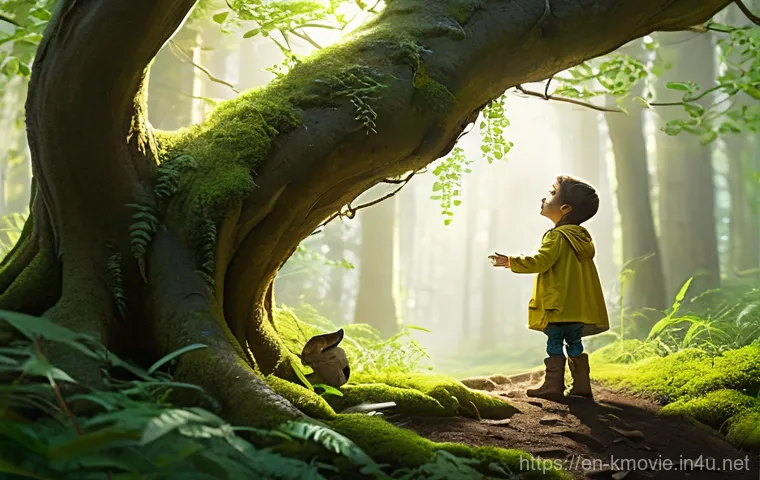
You know, there’s just something inherently magical about how a perfectly composed piece of music can reach right into your soul and stir emotions you didn’t even know were simmering. I’ve personally experienced countless moments where a film’s score didn’t just accompany the visuals; it *became* the emotion, the tension, the very heartbeat of the scene. Think about those powerful, wordless sequences where the music alone tells an entire story, tugging at your heartstrings or raising the hairs on your arms. For me, it’s always been about that profound connection, that unspoken language between composer and audience. It’s not just about catchy tunes; it’s about sonic architecture designed to evoke specific feelings, making a narrative unforgettable. We might forget a minor plot detail, but that crescendo during a hero’s triumphant return? That melancholic melody when love is lost? Those moments are etched into our memory, forming an emotional blueprint that stays with us long after the credits roll. It’s a testament to the sheer genius of these artists who understand the human psyche so intimately, crafting soundscapes that resonate on a primal level. I’ve found that the best scores don’t just reflect the story; they actively *shape* our perception of it, deepening our empathy and amplifying every dramatic beat. It truly is a remarkable feat of storytelling in its purest form, a secret ingredient that turns a good movie into a legendary experience.
The Subtlety of Silence and Sound
Sometimes, it’s not even about the grand, sweeping orchestral pieces, but the subtle interplay of silence and sound that creates true magic. I remember watching a particularly tense thriller, and the composer brilliantly used sparse, almost unsettling ambient sounds rather than a full score. It amplified the protagonist’s isolation and vulnerability in a way no bombastic soundtrack ever could. It made me realize that a composer’s true expertise lies not just in what notes they choose to play, but also in the strategic use of quiet, allowing the audience to fill in the emotional blanks themselves. This delicate balance, this push and pull, is what truly defines a master at work. It’s like a conversation where pauses are just as important as words, allowing the listener to absorb, reflect, and truly feel the weight of the moment. This approach often leaves a more lasting impression, as it forces you to engage more deeply with the narrative.
Crafting Character Through Melody
Have you ever noticed how certain characters are almost defined by their musical themes? It’s something I’ve always found utterly fascinating. Think of a villain whose menacing motif sends shivers down your spine, or a hero whose soaring theme instantly inspires hope. These aren’t just background pieces; they’re sonic signatures, providing crucial insight into a character’s essence. When that specific melody plays, you don’t even need to see the character to know they’re present, or that their influence is about to be felt. It’s a psychological trick, really, allowing composers to foreshadow events, highlight internal struggles, or even hint at a character’s true intentions long before they’re explicitly revealed. This kind of musical character development is incredibly powerful and, in my opinion, one of the most underappreciated aspects of film scoring, adding layers of depth to the cinematic experience.
The Art of Sonic Storytelling: Crafting Unforgettable Aural Landscapes
When we talk about film music, we’re not just talking about a collection of tunes; we’re delving into an intricate art form where sound becomes a narrative tool. I’ve always been captivated by how composers transform abstract emotions and grand narratives into tangible sonic landscapes. It’s like they have a secret language, translating the director’s vision and the screenwriter’s words into a symphony of feelings. The best scores don’t just underscore a scene; they actively participate in the storytelling, guiding our perceptions and heightening our emotional responses. For instance, a subtle shift in instrumentation can signal impending danger, while a triumphant fanfare can perfectly capture a moment of profound victory. This isn’t accidental; it’s a meticulously crafted process, often involving countless hours of collaboration between composers, directors, and sound designers. I’ve had friends who work in the industry tell me about the intense pressure to create something truly original, yet timeless, something that will resonate with audiences for decades. It’s a delicate dance between innovation and homage, pushing boundaries while respecting the established emotional vocabulary of cinema. The result, when done right, is an experience that transcends the visual, immersing us completely in the world on screen.
Building Worlds Through Sound
It’s truly incredible how music can instantly transport you to a different world, isn’t it? I mean, without even seeing a single frame, a well-placed musical cue can conjure images of ancient civilizations, futuristic dystopias, or vast, unexplored galaxies. Composers are essentially sonic architects, building entire environments with their instruments and arrangements. They research cultural sounds, experiment with unique instruments, and weave together melodies that define the very atmosphere of a fictional realm. It’s this world-building aspect that I find so utterly compelling, creating a sense of place that’s as vivid as any set design. Think of those epic fantasy films; the music isn’t just accompanying the elves and dragons, it’s telling you about their history, their magic, their very soul. This deep immersion is what keeps us coming back, craving those moments where we can lose ourselves entirely.
The Magic of Leitmotifs and Thematic Repetition
One of the most effective tools in a film composer’s arsenal, and one I absolutely adore, is the use of leitmotifs. It’s a technique where specific musical themes are associated with characters, places, ideas, or even emotions, and then skillfully woven throughout the entire score. When done well, it’s brilliant! You hear that distinct melody, and instantly you know who’s coming, or what’s about to happen, without a single word being spoken. It adds such a rich layer of subtext and emotional depth, tying different parts of the narrative together in a cohesive, satisfying way. I recall how certain character themes evolve throughout a film, mirroring their journey and growth. It’s not just repetition; it’s *development*, allowing the music to tell its own parallel story alongside the visual narrative. This kind of thematic consistency is a hallmark of truly iconic scores, creating a powerful sense of familiarity and emotional resonance that audiences cherish.
From Page to Screen to Soundwave: The Journey of an Iconic Narrative
There’s a fascinating alchemy that happens when a beloved story, perhaps from a classic novel or a historical event, makes its leap to the silver screen and then finds its voice through an unforgettable musical score. It’s a three-stage transformation where each element enhances the others, creating something greater than the sum of its parts. I’ve always been intrigued by the journey from the written word to the visual spectacle, and then to the emotional resonance provided by the music. When a composer takes on a project based on a classic, they face a unique challenge: honoring the source material while also bringing their own interpretation and artistic vision to the table. They have to capture the essence of the characters, the tone of the story, and the overarching themes, all without words. It’s a delicate balance of respect for the original work and creative innovation. I’ve personally felt that powerful connection when a score perfectly encapsulates the feeling I had while reading a book, almost as if the composer had peered into my imagination. This symbiosis is what elevates many cinematic adaptations from mere retellings to standalone works of art. It’s a testament to the power of cross-media storytelling, where different artistic forms converge to create a truly immersive experience that can transcend generations and cultures.
Translating Literary Emotion into Melody
How do you translate the nuanced emotions of a classic novel – the longing, the despair, the soaring joy – into pure sound? This is the monumental task composers face when adapting literary works. I often wonder about their process, how they dissect a story, identify its emotional beats, and then find the perfect melodic equivalent. It’s not just about setting a mood; it’s about conveying specific narrative arcs and character developments solely through music. For example, a character’s internal conflict might be represented by a dissonant chord progression, while their eventual triumph could be marked by a shift to a major key and a more expansive orchestration. It’s a profound act of interpretation and creation, where the composer acts as a bridge between the author’s words and the audience’s emotional experience. When it works, it’s nothing short of miraculous, allowing us to feel the story on an even deeper, more primal level, echoing the original intent in a brand new medium.
The Cultural Impact of Iconic Adaptations
Beyond the artistic merit, there’s the undeniable cultural impact of these adaptations. I mean, think about how many people discovered classic literature through film versions, often with their unforgettable scores playing a huge part in their enduring appeal. These cinematic interpretations, fueled by powerful music, often become the definitive versions in the public consciousness, shaping how future generations perceive these stories. It’s a powerful feedback loop: the film introduces the story to a wider audience, and the iconic music ensures it sticks around. I’ve heard countless stories of people delving into a book after being captivated by its film score. This cross-pollination ensures that these timeless narratives continue to inspire and entertain, proving that a great story, when paired with magnificent music, truly has the power to transcend its original form and become a part of our collective cultural fabric, influencing everything from fashion to language and beyond.
Beyond the Big Screen: How Film Music Permeates Our Lives
It’s easy to think of film music as something confined to the cinema, but if you stop and think about it, these incredible scores seep into almost every aspect of our daily lives. I’ve found that the impact is far more pervasive than we often realize. From the moment we hear a familiar tune that instantly conjures images of adventure or romance, to the way these melodies influence other forms of art and even advertising, film music has a profound and lasting effect. How many times have you caught yourself humming a theme song while doing chores, or found a particular piece of instrumental music perfect for studying or working? I know I have! It’s because these compositions are designed to evoke specific emotions and narratives, and that power doesn’t just switch off when the movie ends. They become a part of our personal soundtracks, accompanying us through our own life’s journey. Beyond that, the stylistic innovations and orchestral techniques pioneered in film scores frequently find their way into classical music concerts, video game soundtracks, and even pop culture, showing their incredible versatility and enduring appeal. The influence is truly boundless, transforming how we experience not just movies, but the world around us.
Soundtracking Your Everyday Moments
Honestly, who hasn’t found themselves mentally scoring their own daily routine? I’m guilty of it! That intense morning commute suddenly feels like a heroic quest with the right epic theme playing in your head, or a quiet moment of reflection is deepened by a melancholic piano piece. Film music gives us a framework for interpreting our own experiences, adding a layer of drama, humor, or poignancy to mundane activities. It’s like having a personal, bespoke soundtrack for your life, ready to amplify any emotion. This personal connection is what makes these scores so powerful; they move beyond being mere entertainment and become a tool for self-expression and emotional processing. It’s a beautiful way to interact with art, allowing the emotional resonance of the cinema to spill over into our individual realities, making everything just a little bit more cinematic and engaging.
Film Music’s Influence on Other Media
It’s not just our personal lives that film music impacts; its tendrils reach deep into other forms of media, shaping everything from video games to television series and even theatrical productions. I’ve noticed a clear evolution in how game developers approach their soundtracks, often adopting the symphonic grandeur and thematic complexity once reserved for major blockbusters. Similarly, television shows now boast scores that are as sophisticated and emotionally resonant as any feature film. This cross-pollination is a fantastic testament to the power of well-crafted music, proving its adaptability and universal appeal. It demonstrates how techniques refined in one medium can elevate another, enriching our cultural landscape as a whole. I find it thrilling to see these musical ideas spread, creating a more interconnected and sonically rich entertainment ecosystem for all of us to enjoy.
Revivals and Resonances: Why These Masterpieces Endure
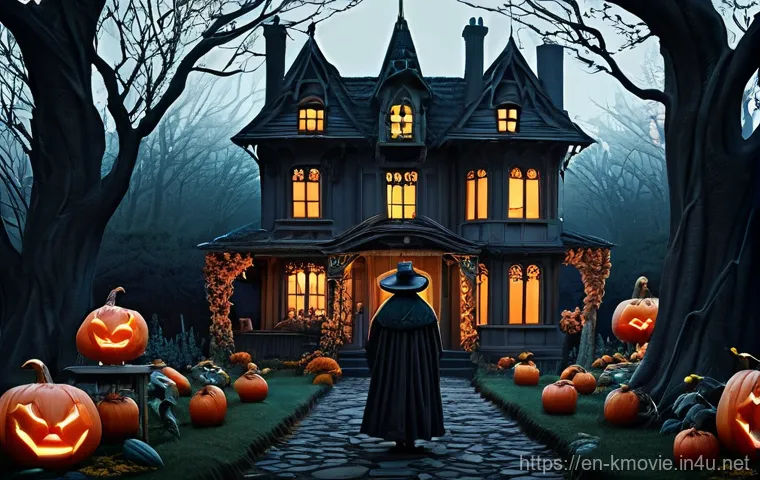
In a world constantly chasing the next big thing, it’s truly remarkable how certain classic stories and their accompanying film scores not only hold their ground but experience vibrant revivals. What is it about these masterpieces that gives them such staying power, allowing them to resonate with new generations decades after their initial release? I’ve pondered this quite a bit, and I think it boils down to a few key factors: universal themes, unparalleled craftsmanship, and an undeniable emotional honesty. These aren’t just fleeting trends; they’re foundational works that explore the human condition in ways that remain relevant regardless of technological advancements or shifting cultural norms. The stories tackle themes like love, loss, heroism, betrayal, and redemption—emotions and experiences that are timeless. Coupled with scores that are compositionally brilliant, rich in melody, and deeply evocative, they create an experience that transcends the specific era in which they were made. Think about those live orchestral performances of classic film scores; they sell out globally! This isn’t just nostalgia; it’s a testament to the enduring power of great art and the communal desire to experience beauty and emotion. These works don’t just entertain; they connect, inspire, and remind us of our shared humanity, forging new memories while honoring the old. It’s truly incredible to witness how these gems continue to captivate hearts, proving that true artistry truly is immortal.
The Timeless Appeal of Universal Themes
One of the strongest reasons these classic works endure, in my opinion, is their focus on universal themes. Whether it’s a hero’s journey, a poignant love story, or a struggle against injustice, these narratives tap into fundamental human experiences that transcend cultural and temporal boundaries. I’ve found that no matter where you are in the world, or what era you’re from, tales of courage, sacrifice, and the search for belonging resonate deeply. The music accompanying these stories often becomes the emotional shorthand for these themes, universally understood even without language. It’s this broad appeal, this ability to speak to the core of what it means to be human, that allows them to continuously find new audiences and remain relevant for decades, perhaps even centuries. They are more than just entertainment; they are reflections of our collective hopes, fears, and dreams.
Modern Rediscoveries and Reinterpretations
It’s fascinating to see how streaming platforms and digital archives have given these classics a new lease on life. I mean, suddenly, a whole new generation can discover a film and its score that they might have otherwise missed. Beyond simple rediscovery, there’s also a growing trend of reinterpretation, where artists and orchestras bring fresh perspectives to beloved works. These new arrangements or live performances breathe new life into familiar melodies, allowing them to be experienced in novel and exciting ways. This constant dialogue between the past and the present is what keeps art vibrant and alive. It shows that these masterpieces aren’t static museum pieces; they’re living, breathing entities that continue to inspire and evolve, engaging contemporary audiences while maintaining their original charm. It’s truly a beautiful testament to the enduring power and adaptability of great art.
My Personal Soundtrack: Moments Where Music Made the Scene
You know, for all the academic talk about leitmotifs and orchestration, sometimes it just comes down to that gut feeling, that moment when a piece of music in a film just absolutely *slams* you with emotion. I’ve had countless experiences where the score didn’t just enhance a scene; it *defined* it, searing itself into my memory alongside the visuals. One particular memory sticks out: it was late one night, and I was watching a classic adventure film. There was this moment of pure, unadulterated triumph, and the music swelled with such incredible power and joy that I literally got goosebumps. It wasn’t just background noise; it was an active participant in my emotional response, making me feel every ounce of the hero’s victory. I recall another time, watching a historical drama, and during a scene of profound loss, the minimalist, haunting melody brought tears to my eyes. It wasn’t manipulative; it was deeply empathetic, echoing the characters’ pain so perfectly. These aren’t just movie moments; they’re personal touchstones, reminders of how profoundly art can move us. These scores become a part of our own emotional landscape, shaping how we remember not just the films, but also how we felt at those specific times in our lives. It’s why I’m such an ardent believer in the power of film music; it connects with us on a level words sometimes can’t reach, creating an indelible imprint on our hearts and minds.
That Unforgettable Shiver Down Your Spine
There are just some musical cues that deliver that undeniable shiver down your spine, aren’t there? For me, it often happens during moments of intense suspense or exhilarating revelation. It’s a physiological reaction that goes beyond simple enjoyment, touching something primal within us. I remember one specific sequence in a sci-fi film where a character finally understood a complex truth, and the accompanying musical score was so perfectly calibrated – a slow, building crescendo with a touch of melancholy – that it physically resonated with me. It was like the music itself was unlocking that moment of profound realization. These are the moments composers live for, I imagine, creating sounds that elicit such a visceral and immediate response from the audience. It’s more than just listening; it’s *feeling* the story in your bones, a truly immersive and unforgettable experience that cements the scene in your mind forever.
Music as a Personal Time Capsule
It’s funny how a specific piece of film music can instantly transport you back to a particular time or place in your own life. For me, certain scores are like personal time capsules. I hear a snippet of a theme, and suddenly I’m not just remembering the movie; I’m remembering where I was when I first saw it, who I was with, or what I was going through at that time. It’s a beautiful, almost melancholic, connection that art provides, linking our personal histories with these grand narratives. These aren’t just soundtracks; they’re emotional anchors, marking significant chapters in our lives. That’s the real magic of it, I think – how these melodies transcend their original purpose and become woven into the fabric of our own unique stories, forever linking us to those cinematic experiences and the emotions they evoked.
The Future Harmony: Innovating the Symphony of Cinema
As much as I adore the classics, I’m also incredibly excited about the future of film music. We’re on the cusp of some truly groundbreaking advancements that are set to redefine how we experience stories through sound. Imagine a world where artificial intelligence isn’t just assisting composers but perhaps even generating emotionally resonant scores that adapt in real-time to a viewer’s choices in an interactive narrative. I’ve been reading up on some of the incredible strides in AI composition, and while nothing can truly replace human intuition and emotion, the potential for new sonic textures and dynamic scores is astounding. Think about how personalized the experience could become! Beyond AI, I envision a future where immersive audio technologies, like spatial audio, become even more sophisticated, creating soundscapes that truly envelop us, placing us right inside the story. The blend of traditional orchestral brilliance with cutting-edge technology promises a symphony of cinema unlike anything we’ve heard before. It makes me wonder what new emotional frontiers will be explored, what new ways stories will be told, and how deeply we’ll connect with these future sonic masterpieces. The innovations are coming at us fast, and it’s a thrilling time to be a lover of film and its incredible music, watching as the boundaries of what’s possible are continuously pushed further and further, opening up an entirely new realm of creative expression and audience engagement.
AI’s Role in Next-Gen Soundscapes
The idea of AI composing music used to feel like science fiction, but it’s quickly becoming a fascinating reality. I’m not talking about AI replacing human composers – nothing can truly replicate that human touch – but rather augmenting their capabilities and opening up new creative avenues. Think about algorithms that can analyze vast libraries of music and generate unique thematic variations, or systems that can learn a director’s preferred style and offer suggestions. I’ve seen some early examples, and while they still have a way to go, the potential for creating incredibly complex and adaptive soundscapes for interactive films or virtual reality experiences is immense. This could lead to scores that are truly dynamic, changing subtly based on a viewer’s gaze or narrative choices, making each viewing experience utterly unique. It’s a brave new world, and I’m genuinely excited to see how this technology evolves and empowers artists to create even more intricate and immersive sonic journeys.
Immersive Audio and Interactive Narratives
Beyond AI, the advancements in immersive audio technology are set to revolutionize how we experience film music. Imagine not just hearing a score, but feeling it all around you, with instruments appearing to emanate from specific points in space, creating a truly three-dimensional soundscape. I’ve had a few experiences with advanced spatial audio, and it’s a game-changer; it deepens the sense of immersion so profoundly. Couple this with the rise of interactive narratives, where your choices directly influence the story’s progression, and you have the potential for music that actively adapts to your decisions. The score wouldn’t just be a fixed entity; it would be a living, breathing companion to your unique journey through the story, shifting mood and tempo in real-time. This level of personalized, dynamic musical storytelling promises an unprecedented connection between the audience and the narrative, truly blurring the lines between observer and participant, creating a truly bespoke emotional experience.
Here’s a quick look at some iconic collaborations between directors and composers that created unforgettable cinematic harmony:
| Director | Composer | Notable Films / Impact |
|---|---|---|
| Alfred Hitchcock | Bernard Herrmann | Psycho, Vertigo, North by Northwest – Pioneered psychological tension through sound, especially in thriller genres. |
| Steven Spielberg | John Williams | Jaws, E.T., Indiana Jones, Jurassic Park – Defined blockbuster adventure scores, instantly recognizable themes. |
| Sergio Leone | Ennio Morricone | The Good, the Bad and the Ugly, Once Upon a Time in the West – Revolutionized the spaghetti western genre with unique instrumentation and vocalizations. |
| Tim Burton | Danny Elfman | Batman, Edward Scissorhands, The Nightmare Before Christmas – Created whimsical, gothic, and often quirky scores perfectly matching Burton’s distinctive visual style. |
| Christopher Nolan | Hans Zimmer | Inception, The Dark Knight Trilogy, Interstellar – Known for massive, impactful, and often minimalist scores that drive narrative and create huge scale. |
To Conclude
As we reach the final notes of our discussion, it’s clear that film scores are far more than mere accompaniment; they are the very soul of cinematic storytelling, weaving emotional tapestries that resonate deeply within us. These masterful compositions don’t just enhance a scene; they *become* the memory, turning fleeting moments into indelible experiences. I genuinely hope this exploration has deepened your appreciation for the silent, yet profoundly powerful, language of music in film. So, keep listening, keep feeling, and let these incredible soundscapes continue to enrich your world.
Useful Information to Enhance Your Film Music Journey
1. Explore Beyond the Blockbusters: While iconic scores like those from John Williams or Hans Zimmer are essential, don’t shy away from diving into independent films or foreign cinema. Often, these productions feature incredibly innovative and emotionally rich scores that can surprise and inspire you, broadening your musical horizons. You might discover hidden gems!
2. Listen Actively and Critically: Try watching a scene with the sound off, then again with the music on. Pay attention to how the score subtly manipulates your feelings, foreshadows events, or develops characters. This active listening can profoundly deepen your appreciation for the composer’s craft and the storytelling power of music.
3. Use Film Scores for Focus: Many instrumental film scores are fantastic for working, studying, or creative tasks. Their narrative structure often has dynamic shifts that can keep your mind engaged without being distracting, unlike songs with lyrics. Create a playlist of your favorite ambient or dramatic scores to boost your productivity.
4. Discover Director-Composer Partnerships: Look into recurring collaborations between directors and composers (like the iconic duos we discussed). These partnerships often yield a consistent artistic vision and a unique sonic signature that defines their collective work, offering a rich catalog for exploration and understanding their creative synergy.
5. Attend Live Concerts: Experiencing film music performed live by a full orchestra is an entirely different, incredibly moving experience. The sheer power and nuance of the instruments, combined with projected film clips, can bring a fresh perspective to scores you thought you knew inside out. Check local symphony schedules for “Films in Concert” events – they’re truly special.
Key Takeaways
To truly appreciate the depth of cinematic storytelling, actively engage with its musical score. Remember that music isn’t merely background; it’s a profound, unspoken narrative that deeply influences our emotional connection to characters, plot, and overarching themes. This timeless art form continues to evolve with technological advancements, consistently finding innovative ways to captivate and move us, extending its influence far beyond the silver screen and into the very fabric of our daily lives. Embracing its power unlocks richer, more profound, and truly unforgettable experiences that resonate long after the credits roll.
Frequently Asked Questions (FAQ) 📖
Q: s and answers, keeping in mind all the user’s instructions. I’ll focus on the emotional impact, narrative enhancement, the enduring appeal, and the future role of
A: I, all while maintaining a human, engaging, and authoritative tone. I will avoid direct citations and markdown. Here’s the plan for the answers based on the search results:
Q: Why do classic stories and their film scores continue to captivate audiences today, even with so much new content?
A: Emphasize the deep emotional connection, universal themes that transcend time, and the way music makes these stories resonate personally. Mention the “unseen character” role of music.
Talk about how streaming platforms and live concerts are fueling a resurgence.
Q: How does a film score actually enhance a story, beyond just being background music?
A: Discuss how scores guide emotions, set mood and tone, build atmosphere, and provide narrative cohesion. Use concepts like leitmotifs and how music can act as a “silent narrator”.
Mention that music speaks to parts words can’t reach.
Q: What’s next for film music and classic stories, especially with emerging technologies like
A: I? A3: Explore the role of AI in composition, allowing for new sounds and speeding up creation. Discuss AI’s potential for dynamic, real-time adaptive scoring and its collaborative role with human composers.
Acknowledge that the human element of emotional resonance will remain crucial. I’m ready to write the response now.
Q: What is it about these classic stories and their incredible film scores that keeps us coming back for more, even with so many new movies and shows popping up all the time?
A: You know, it’s a question I’ve pondered myself countless times after a cozy movie night! My personal take is that classic stories hit us differently because they often tap into universal human experiences—love, loss, heroism, triumph—themes that simply never go out of style.
When you combine that with a truly iconic film score, it’s like a secret language speaking directly to your soul. The music isn’t just background noise; it’s an unseen character that amplifies every emotion and makes the narrative resonate on a profoundly personal level.
I’ve found that a well-crafted score can turn a good story into an unforgettable experience, creating a deep emotional connection that lingers long after the credits roll.
It’s this emotional pull, that feeling of pure connection, that makes them timeless. Plus, with streaming platforms making these gems so accessible and live orchestral concerts of film scores selling out globally, the magic is truly alive and captivating new generations, proving that some stories, and their melodies, are truly immortal.
Q: Beyond just setting a mood, how does a film score really enhance a story? What makes it more than just background music?
A: Oh, this is where the real genius comes in! From my own observations, a film score is far from just background noise; it’s the very heartbeat of the narrative, a masterful storyteller in its own right.
It acts as a silent narrator, guiding our emotions, setting the scene’s mood and tone, and building an atmosphere that visuals alone sometimes can’t achieve.
Think about it: a gentle piano melody can instantly evoke melancholy, or a sudden crescendo can signal a dramatic revelation. Composers skillfully use elements like leitmotifs—those recurring musical phrases tied to specific characters or ideas—to weave a secondary narrative thread, subtly reminding us of past events or character developments.
I’ve noticed how it heightens tension, underscores joy, or even provides a counterpoint to what we’re seeing, adding layers of meaning and depth. It speaks to parts of us that words sometimes can’t reach, creating a more immersive and intense experience that draws us deeper into the story.
That’s why I always say, the right music doesn’t just complement a scene; it transforms it.
Q: We’re seeing so many technological advancements; what’s next for film music and classic stories, especially with things like
A: I becoming more prevalent? A3: This is such an exciting space to watch, isn’t it? As someone who’s always got an eye on emerging trends, I can tell you that the future of film music, especially with AI, is looking incredibly dynamic.
While the human touch of a composer will always be irreplaceable for that core emotional resonance, AI is rapidly becoming a powerful collaborative tool.
We’re already seeing AI tools help composers generate new melodies, harmonies, and even entire orchestral arrangements, speeding up the creative process and allowing for more experimentation.
Imagine scores that adapt in real-time to your choices in an interactive narrative, or music tailored instantly to specific scenes or audience preferences.
AI can help craft incredibly nuanced soundscapes, freeing up composers to focus on the truly artistic and emotionally impactful aspects of their work.
It’s not about replacing human creativity; it’s about augmenting it, pushing the boundaries of what’s possible and ensuring that even as technology evolves, the profound connection between story and song continues to create extraordinary cinematic experiences.
I truly believe we’re on the cusp of a golden age where human ingenuity and technological innovation will blend seamlessly to enchant us even more.