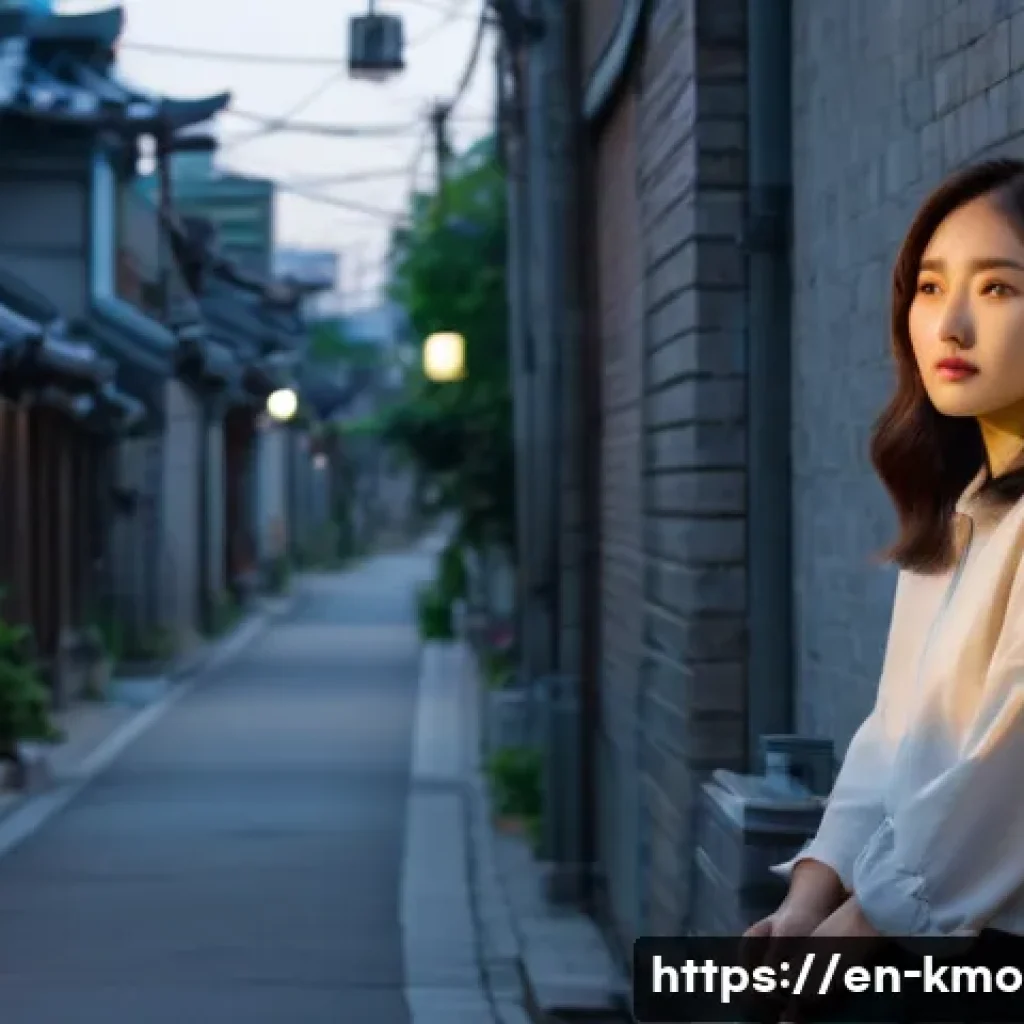
Independent films from Korea offer a fresh and authentic perspective that often goes beyond mainstream cinema. These movies dive deep into personal stories, social issues, and unique artistic expressions that resonate with viewers looking for something different.
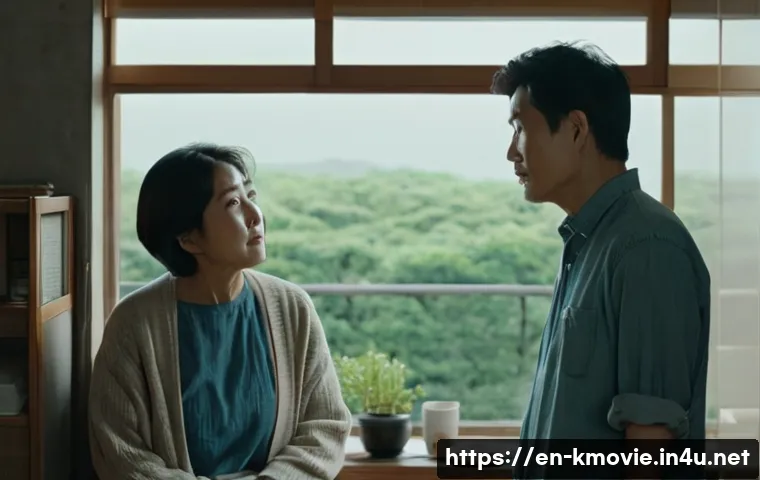
Whether you’re a fan of raw storytelling or innovative filmmaking, Korean indie films provide a captivating experience that’s both thought-provoking and emotionally rich.
Many of these films have gained international recognition, highlighting the creative spirit thriving outside big studios. If you’re curious about exploring this vibrant film scene, you’re in for a treat.
Let’s dive into a carefully curated list of must-watch Korean independent movies to expand your cinematic horizons. We’ll explore their themes, styles, and why they deserve your attention—let’s get started!
Exploring Personal Narratives Through Korean Indie Cinema
Intimate Storytelling That Hits Close to Home
Korean independent films have a unique way of peeling back layers of everyday life, presenting stories that feel incredibly personal and relatable. These movies often focus on characters who might seem ordinary at first glance but reveal complex emotional landscapes as the plot unfolds.
What I’ve found most striking is how these films don’t shy away from vulnerability—they invite you into the characters’ worlds, making you feel their struggles, hopes, and quiet moments of joy.
This kind of storytelling is a breath of fresh air compared to the sometimes formulaic narratives of mainstream cinema. It’s like sitting down for a heartfelt conversation with someone who’s lived through those experiences, not just watching a scripted story.
Breaking Taboos and Social Norms
One of the things that makes Korean indie films stand out is their willingness to tackle taboo subjects and social issues that are often glossed over or sanitized in commercial movies.
From mental health and LGBTQ+ themes to economic hardship and gender inequality, these films bring light to conversations that are critical yet uncomfortable.
Watching these stories unfold feels like uncovering hidden layers of Korean society that mainstream films rarely explore. For example, a film might delve into the pressures faced by young adults navigating a hyper-competitive work culture or expose the raw realities of marginalized communities.
This fearless approach makes indie films a powerful platform for empathy and understanding.
The Art of Minimalism in Korean Indie Filmmaking
Minimalism is a defining style in many Korean independent films, where less truly becomes more. Rather than relying on elaborate sets or flashy effects, these movies focus on subtle gestures, naturalistic dialogue, and carefully composed frames.
This stripped-down aesthetic enhances the emotional weight of the story because every glance, silence, and movement carries meaning. I recall watching a film where the camera lingered on small details—a flickering streetlamp, a hesitant smile—moments that might be overlooked elsewhere but here build a rich tapestry of mood and meaning.
It’s a testament to the filmmakers’ ability to evoke deep feeling with simplicity.
Innovative Techniques That Redefine Storytelling
Blending Genres to Create Unique Experiences
Korean indie directors often blur the lines between genres, combining elements of drama, thriller, romance, and even fantasy in unexpected ways. This genre-mixing keeps the audience on their toes and prevents predictability.
For instance, a film might start as a quiet family drama but gradually weave in surreal or psychological twists that challenge your perception. This creative freedom allows filmmakers to experiment boldly without the commercial pressures of blockbuster filmmaking, resulting in fresh narratives that feel genuinely original.
I’ve noticed that these genre hybrids also reflect the multifaceted nature of real life, where emotions and experiences rarely fit into neat categories.
Nonlinear Narratives and Experimental Editing
Many Korean independent films employ nonlinear storytelling and unconventional editing techniques to deepen the emotional resonance or highlight thematic complexity.
Jumping back and forth in time, using fragmented scenes, or presenting multiple perspectives can initially feel disorienting but ultimately enriches the viewing experience.
I remember feeling completely immersed in a film that unfolded like a puzzle, where each piece revealed more about the characters’ motivations and histories.
This approach invites active engagement from the audience, encouraging reflection and interpretation long after the credits roll.
Sound Design as a Narrative Tool
Sound in Korean indie films is often used with remarkable creativity, going beyond background music to become a crucial part of the storytelling. Ambient noises, silence, and carefully chosen sound effects build atmosphere and tension in ways that dialogue alone cannot.
For example, the subtle hum of city life or the distant sound of rain can evoke a character’s loneliness or inner turmoil. I’ve found that this attention to sound makes the emotional beats land more powerfully, creating an immersive sensory experience that stays with you.
Diverse Voices Shaping the Indie Film Landscape
Emerging Directors Bringing Fresh Perspectives
What excites me most about Korean independent cinema is the influx of young, emerging directors who bring fresh voices and innovative visions. These filmmakers often come from diverse backgrounds and approach storytelling with a personal touch that challenges traditional norms.
Their passion for authentic expression is palpable, and many have gained acclaim through international film festivals, proving that their stories resonate globally.
Following their careers feels like witnessing the evolution of a vibrant and dynamic film culture that refuses to be confined by convention.
Female Filmmakers Challenging Industry Standards
The Korean indie scene is also notable for the increasing presence of female directors who are boldly tackling gender dynamics both on and off screen.
Their films often explore women’s experiences with nuance and honesty, shining a light on issues like patriarchy, identity, and empowerment. This fresh perspective is crucial in a film industry historically dominated by men.
Personally, watching these films has broadened my understanding of Korean society and the universal challenges women face. The authenticity and courage in these works make them essential viewing.
Collaborative Spirit and Community Support
The indie film community in Korea thrives on collaboration and mutual support, with directors, actors, and crew members often working together across projects to push creative boundaries.
This sense of camaraderie fosters innovation and nurtures talent in ways that big studios sometimes cannot. I’ve heard stories of filmmakers pooling resources, sharing equipment, and organizing grassroots screenings to get their work seen.
This DIY ethos not only strengthens the indie film scene but also makes the viewing experience feel like participating in a creative movement rather than just consuming entertainment.
Visual Storytelling: Cinematography and Aesthetic Choices
Capturing Urban and Rural Contrasts
Korean indie films often use their settings as more than mere backdrops—they become integral to the narrative and mood. The stark contrast between bustling cityscapes and quiet rural towns is portrayed with striking visual sensitivity.
Filmmakers use lighting, color palettes, and framing to evoke feelings of isolation, nostalgia, or tension depending on the scene. For example, the claustrophobic alleys of Seoul might be depicted with harsh shadows and tight shots, while countryside scenes often glow with soft natural light, emphasizing tranquility or escape.
These choices deepen the emotional layers of the story and make the environment feel alive.
Symbolism Through Visual Metaphors
Many Korean indie films employ rich visual metaphors that add a poetic dimension to the narrative. Objects, colors, or recurring motifs often carry symbolic weight, inviting viewers to decode deeper meanings.
For instance, a broken mirror might symbolize fractured identity, or the changing seasons might mirror a character’s emotional journey. I find that these symbolic elements make re-watching the films rewarding, as you discover new layers each time.
This artistic attention to detail elevates the films beyond straightforward storytelling into a more immersive and contemplative experience.
Handheld Cameras and Natural Lighting
The use of handheld cameras and natural lighting is a hallmark of many Korean independent productions, creating a raw and intimate visual style. This technique lends authenticity and immediacy to the scenes, making you feel like a quiet observer in the characters’ lives.
It’s a stylistic choice that aligns perfectly with the films’ focus on realism and personal stories. Watching a film shot this way often feels more emotional and grounded, as if the camera itself shares the characters’ perspective and emotions.
Impact and Recognition on the Global Stage
Film Festival Success and International Acclaim
Many Korean independent films have garnered attention and awards at prestigious international film festivals such as Cannes, Berlinale, and Busan. This global recognition not only highlights the quality and originality of the films but also opens doors for wider distribution and audience reach.
I’ve seen how festival buzz can transform a small indie movie into a must-watch title worldwide, introducing global viewers to unique Korean stories and perspectives.
This international spotlight also validates the hard work and creative risks taken by these filmmakers.
Bridging Cultural Gaps Through Universal Themes
Despite their specific cultural contexts, Korean indie films often touch on universal themes like family, identity, love, and societal pressure, making them accessible to diverse audiences.
This ability to resonate beyond national borders underscores the power of authentic storytelling. From my experience, even if you’re unfamiliar with certain cultural nuances, the emotional core of these films remains compelling and relatable.
This cross-cultural connection is a beautiful reminder of cinema’s ability to unite people through shared human experiences.
Shaping Future Trends in Cinema
The innovative approaches and bold narratives of Korean indie films are influencing mainstream cinema both in Korea and internationally. Elements such as genre-blending, minimalistic aesthetics, and socially conscious themes are gradually making their way into bigger productions.
For anyone passionate about film, following the indie scene offers a glimpse into the future of storytelling and cinematic expression. Personally, I find it thrilling to watch how these creative trends evolve and inspire new generations of filmmakers around the world.
| Film Title | Director | Main Theme | Notable Style | International Recognition |
|---|---|---|---|---|
| House of Hummingbird | Kim Bora | Coming of Age, Family | Naturalistic, Intimate | Berlinale Grand Jury Prize |
| The World of Us | Yoo Jung-hee | Childhood, Friendship | Minimalist, Realistic | Busan International Film Festival |
| Burning | Lee Chang-dong | Mystery, Social Alienation | Psychological Thriller, Symbolism | Cannes Film Festival, FIPRESCI Prize |
| Night and Day | Hong Sang-soo | Existential Reflection | Long Takes, Simple Composition | Locarno Film Festival |
| Oasis | Lee Chang-dong | Disability, Love | Poignant Realism | Venice Film Festival |
Emotional Depth and Character-Driven Narratives
Complex Characters That Defy Stereotypes
One of the most rewarding aspects of Korean indie films is their focus on deeply flawed, multi-dimensional characters who break free from typical stereotypes.
These films explore the inner worlds of people who are often overlooked or misunderstood, giving voice to their struggles and triumphs. I’ve seen characters portrayed with such nuance that it felt like watching real people rather than fictional constructs.
This complexity invites empathy and challenges viewers to reconsider their assumptions about identity and human nature.
Slow Pacing That Enhances Emotional Impact
While some may find the pacing of indie films slower compared to mainstream movies, this deliberate rhythm allows for richer emotional development. Scenes often linger, giving space for reflection and subtle emotional shifts that might be lost in faster editing.
Personally, I appreciate how this pacing creates a contemplative atmosphere where feelings can settle and resonate deeply. It’s a storytelling style that respects the audience’s intelligence and emotional capacity, rewarding patience with profound insight.
Dialogue That Feels Authentic and Natural
The dialogue in Korean independent films often eschews melodrama in favor of understated, realistic conversations that mirror real-life speech patterns.
This naturalism adds to the films’ immersive quality and helps build genuine connections between characters and viewers. I’ve found that these scripts capture the small, everyday moments that define relationships—the silences, half-spoken thoughts, and casual exchanges that reveal so much beneath the surface.
This subtlety makes the emotional beats more believable and impactful.
Where to Start: Accessing Korean Indie Films
Streaming Platforms Offering Curated Collections
Thankfully, the rise of global streaming services has made it easier than ever to access Korean independent films. Platforms like MUBI, Netflix, and specialized services such as the Korean Film Archive’s YouTube channel offer carefully curated selections of indie titles.
From my experience, subscribing to a service like MUBI is a great way to discover hidden gems because their programming is thoughtfully chosen and frequently updated.
This convenience means you can explore Korean indie cinema without leaving your couch.
Local Film Festivals and Special Screenings
If you happen to live in a city with a vibrant film festival scene, attending Korean indie film screenings can be an enriching experience. Festivals often showcase premieres, director Q&As, and thematic programs that provide deeper context.
I remember attending a Korean film series that included panel discussions with filmmakers, which added layers of understanding and appreciation. These events not only support the filmmakers but also connect audiences who share a passion for indie cinema.
Physical Media and Collectors’ Editions
For those who prefer a more tactile experience or want to build a collection, physical media like Blu-rays and DVDs remain valuable. Many Korean indie films are released with special editions featuring behind-the-scenes footage, director interviews, and essays.
Owning these editions offers a way to dive deeper into the filmmaking process and keep these important works accessible. Personally, I treasure these collections as they provide a tangible connection to the art and culture of Korean indie cinema.
Economic Realities and Creative Freedom in Indie Filmmaking
Budget Constraints Fueling Innovation
Working with limited budgets, Korean indie filmmakers often find creative solutions that enhance their storytelling rather than hinder it. Resourcefulness becomes a hallmark, whether through innovative camera techniques, natural locations, or casting non-professional actors.
From what I’ve observed, this constraint fosters a raw authenticity and inventiveness that big-budget productions sometimes lack. Watching these films reminds me that great art doesn’t require lavish spending—just a compelling vision and dedication.
Financial Challenges and Distribution Barriers
Despite their artistic success, many Korean indie films face significant financial hurdles, particularly regarding distribution and marketing. Without the backing of major studios, it’s often difficult for these movies to reach wider audiences beyond film festivals or niche circles.
This reality means some incredible films remain underappreciated or hard to find. As a viewer, seeking out and supporting indie films feels like a small but meaningful way to help sustain this vital creative ecosystem.
Balancing Artistic Integrity with Audience Engagement
Korean independent filmmakers often walk a fine line between staying true to their artistic vision and crafting stories that resonate with audiences. This balance is tricky because too much experimentation can alienate viewers, while playing it safe risks diluting the message.
From my perspective, the most successful indie films manage to engage emotionally and intellectually without compromising their authenticity. This delicate equilibrium is part of what makes discovering Korean indie cinema so rewarding—it challenges and moves you simultaneously.
글을 마치며
Korean indie cinema offers a rare and refreshing glimpse into intimate, authentic stories that resonate deeply. Its fearless exploration of social issues, combined with minimalist artistry and innovative storytelling, makes it a compelling realm for film lovers seeking more than just entertainment. Experiencing these films feels like joining a meaningful conversation that stays with you long after the credits roll. For anyone curious about diverse perspectives and emotional depth, Korean independent films are truly worth exploring.
알아두면 쓸모 있는 정보
1. Many Korean indie films are accessible on global streaming platforms such as MUBI and Netflix, which curate thoughtful selections regularly.
2. Attending local film festivals can provide exclusive opportunities to watch Korean indie films alongside director talks and special events.
3. Physical media editions often include enriching extras like interviews and behind-the-scenes content, perfect for collectors and enthusiasts.
4. Budget limitations in indie filmmaking often lead to creative storytelling techniques, emphasizing authenticity over spectacle.
5. Supporting indie films through legal streaming or purchases helps sustain this vibrant creative community and encourages diverse voices.
중요 사항 정리
Korean independent films stand out for their honest, character-driven narratives and bold thematic choices that mainstream cinema often avoids. Their minimalist style and innovative techniques create deeply emotional and thought-provoking experiences. While budget and distribution challenges persist, the passion and collaboration within the indie community drive remarkable creativity. Access to these films is growing globally through streaming and festivals, making now the perfect time to discover this dynamic and influential cinematic movement.
Frequently Asked Questions (FAQ) 📖
Q: What makes Korean independent films different from mainstream Korean cinema?
A: Korean indie films stand out because they often focus on intimate, personal stories and social issues that mainstream movies might overlook. These films tend to embrace experimental storytelling and unconventional filmmaking styles, giving viewers a raw and authentic experience.
Unlike big studio productions that usually aim for commercial success, indie films prioritize artistic expression and emotional depth, which can lead to more thought-provoking and memorable narratives.
Q: How can I find Korean independent films to watch if they’re not widely available on popular streaming platforms?
A: Finding Korean indie films can be a bit of a treasure hunt, but it’s worth it! Many of these movies are featured in international film festivals, so checking festival lineups online can be a good start.
Platforms like Mubi, Viki, and even YouTube sometimes showcase indie titles with subtitles. Additionally, some dedicated indie film distributors and cultural centers offer online rentals or screenings.
Subscribing to newsletters or following social media pages focused on Korean cinema can also keep you updated on new releases and viewing opportunities.
Q: Are Korean independent films accessible to viewers who don’t speak Korean?
A: Absolutely! Most Korean independent films that reach international audiences come with English subtitles, especially those screened at film festivals or distributed overseas.
While the language and cultural nuances might require a bit of attention, the universal themes and emotions often shine through clearly. Plus, watching with subtitles can be a great way to appreciate the storytelling and learn a bit about Korean culture along the way.
If you’re new to foreign films, starting with well-reviewed indie movies can make the experience even more enjoyable.